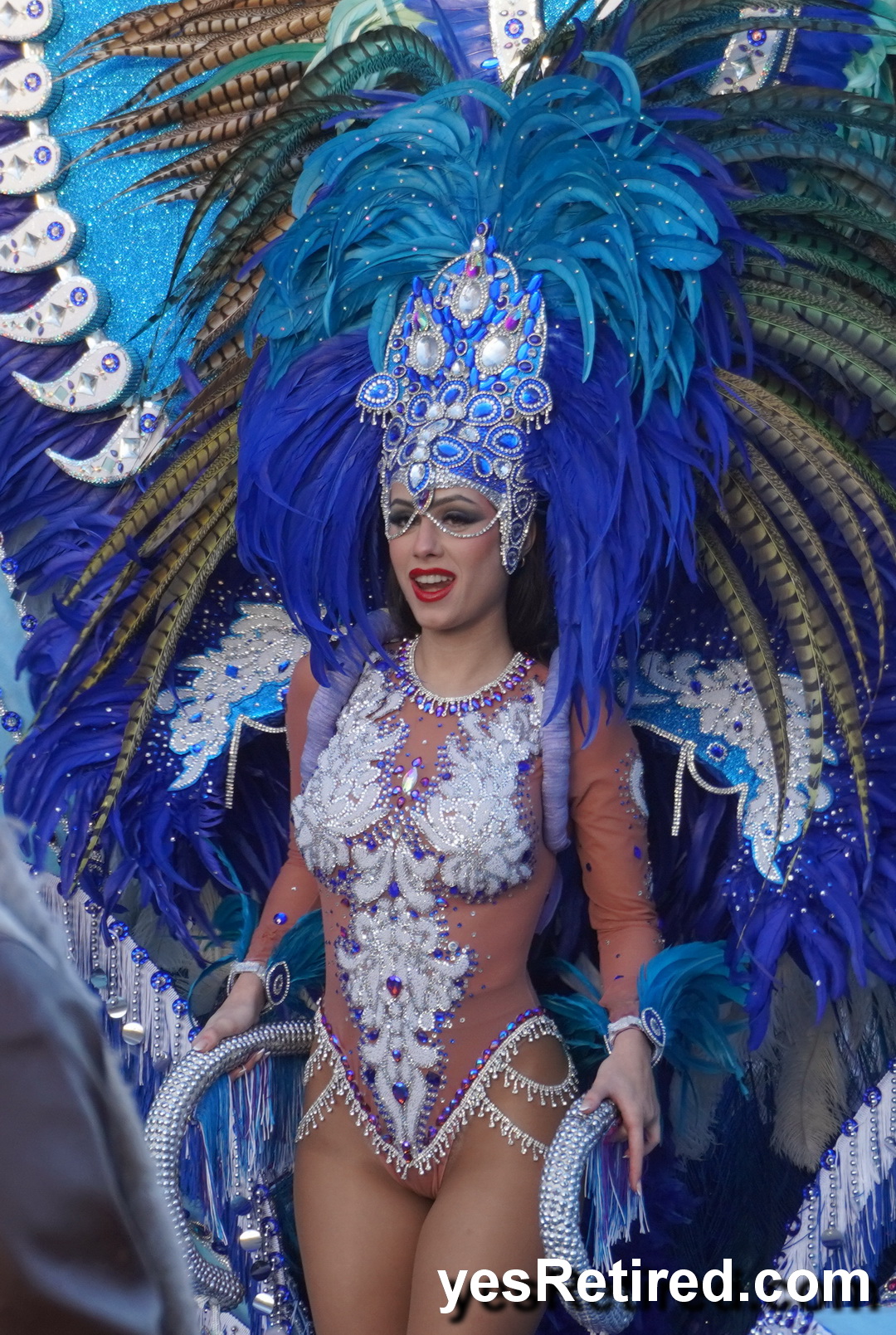
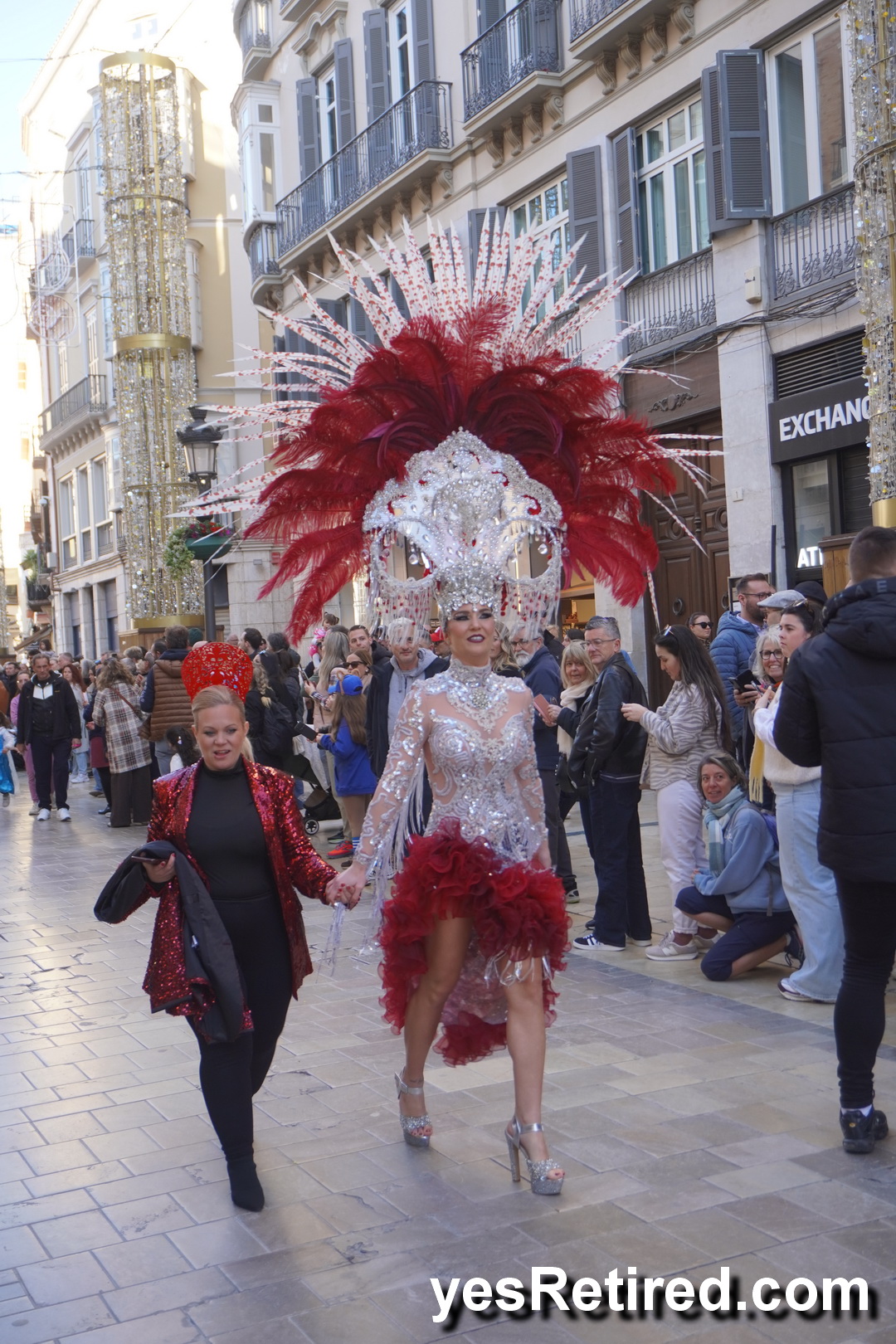
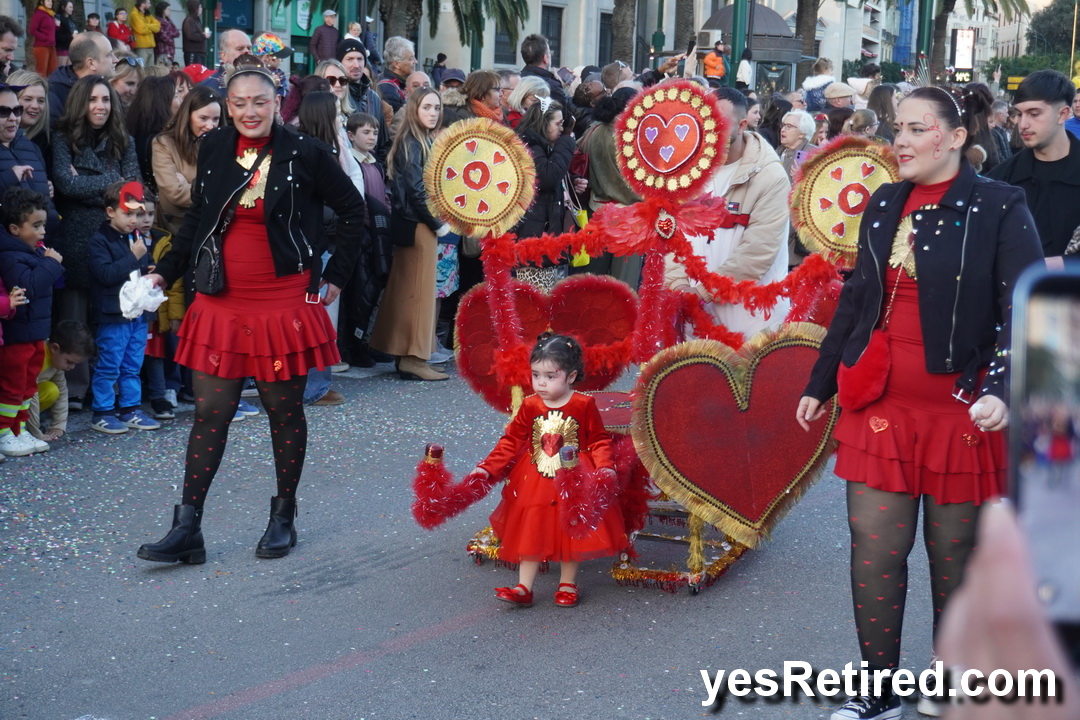
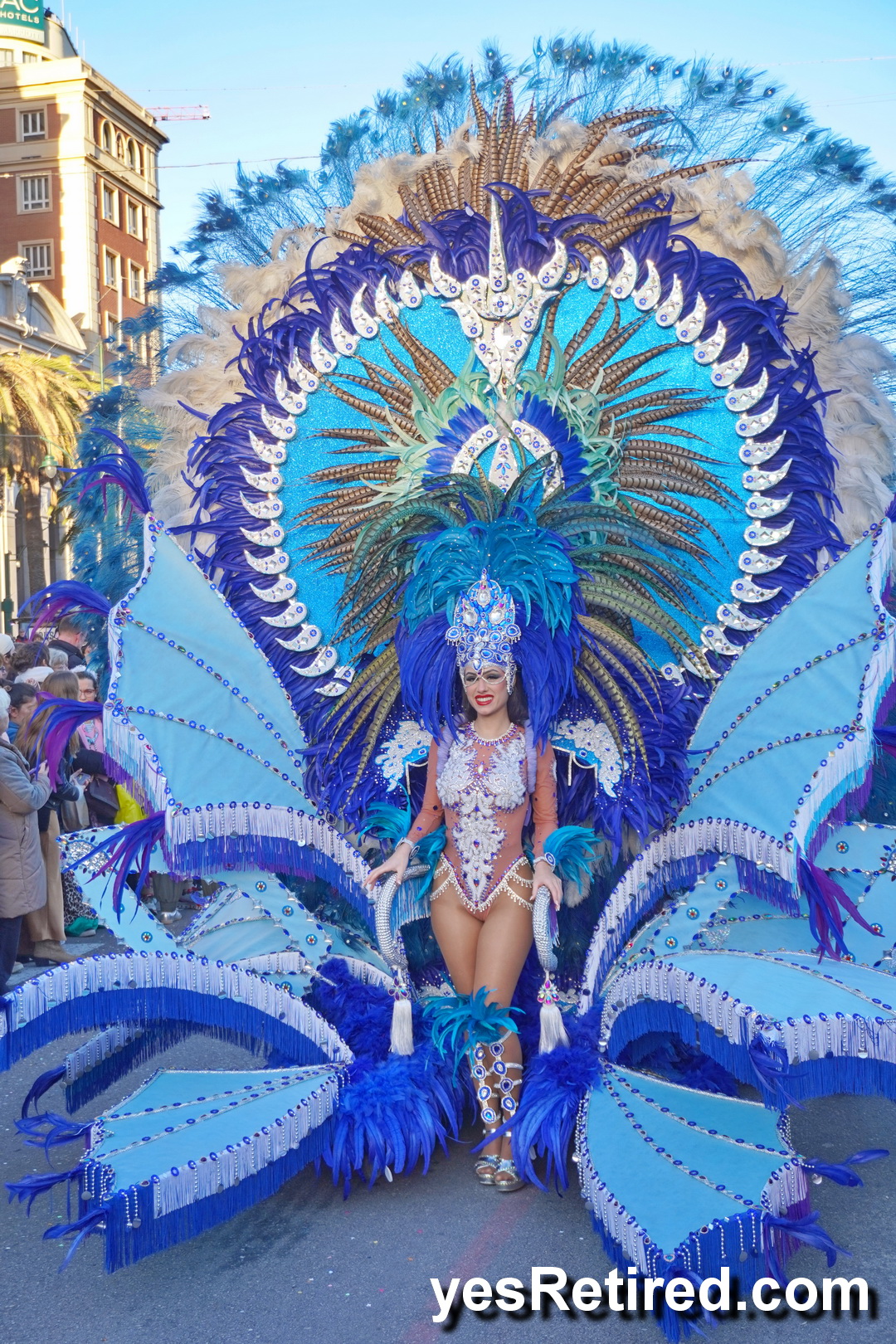
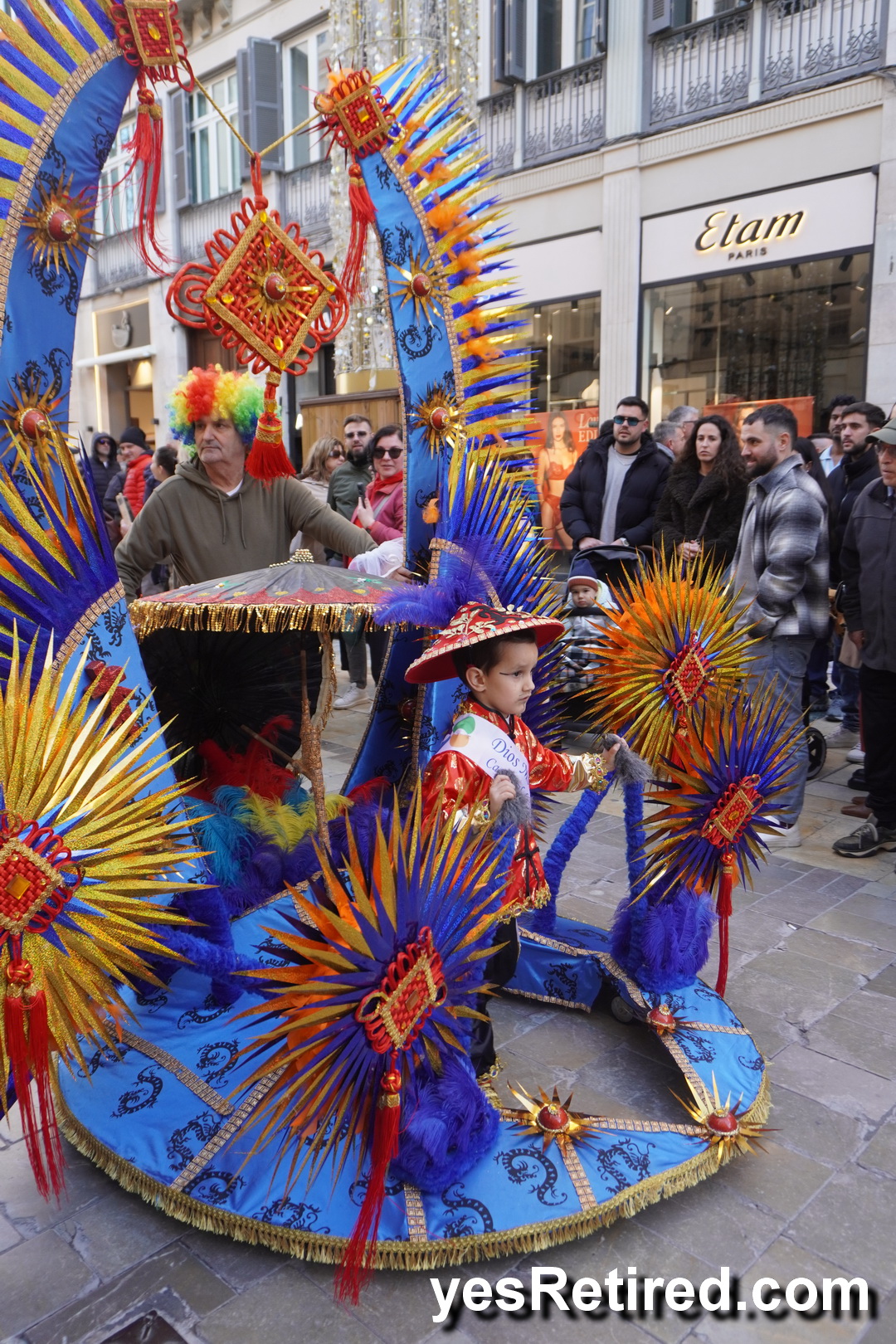
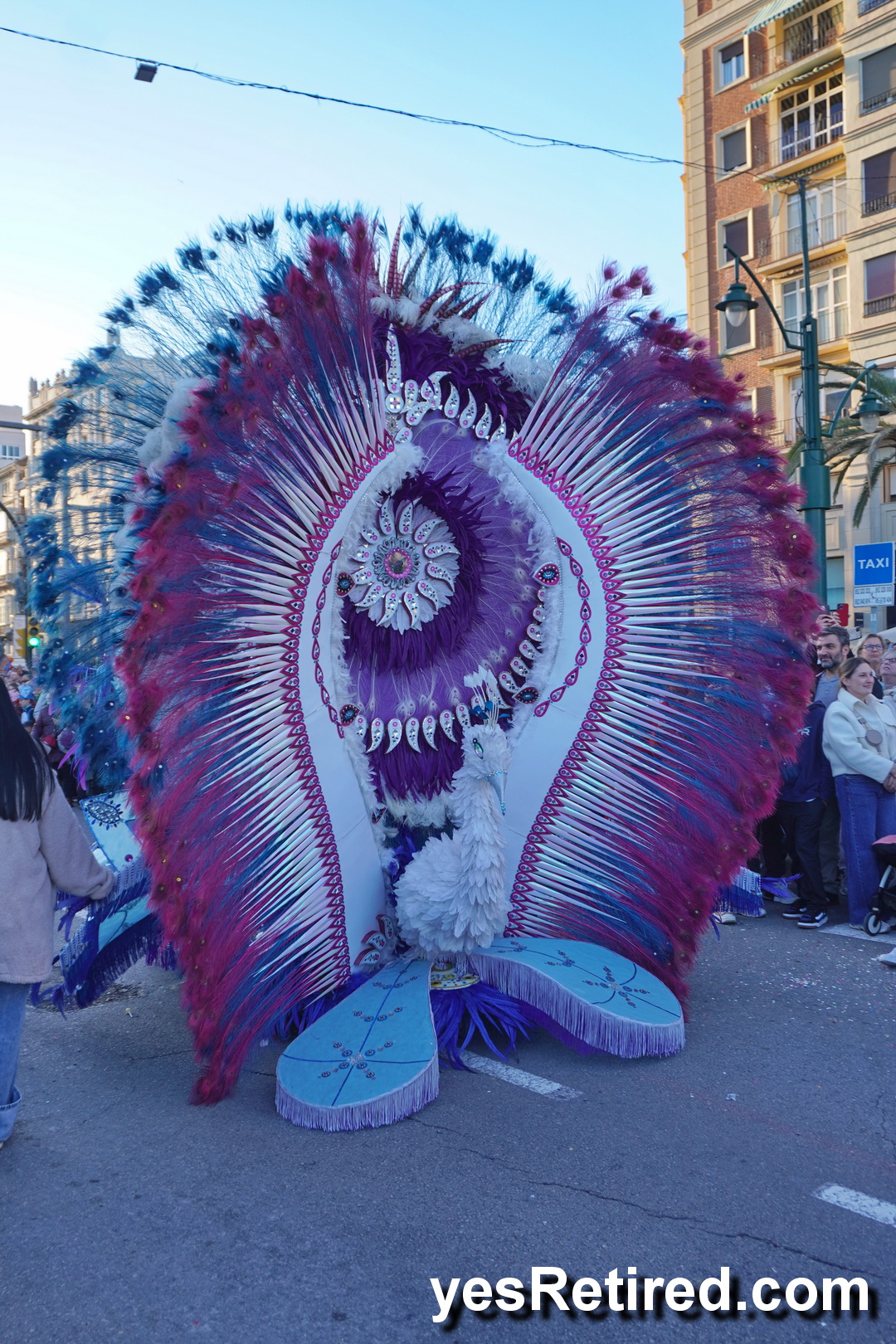
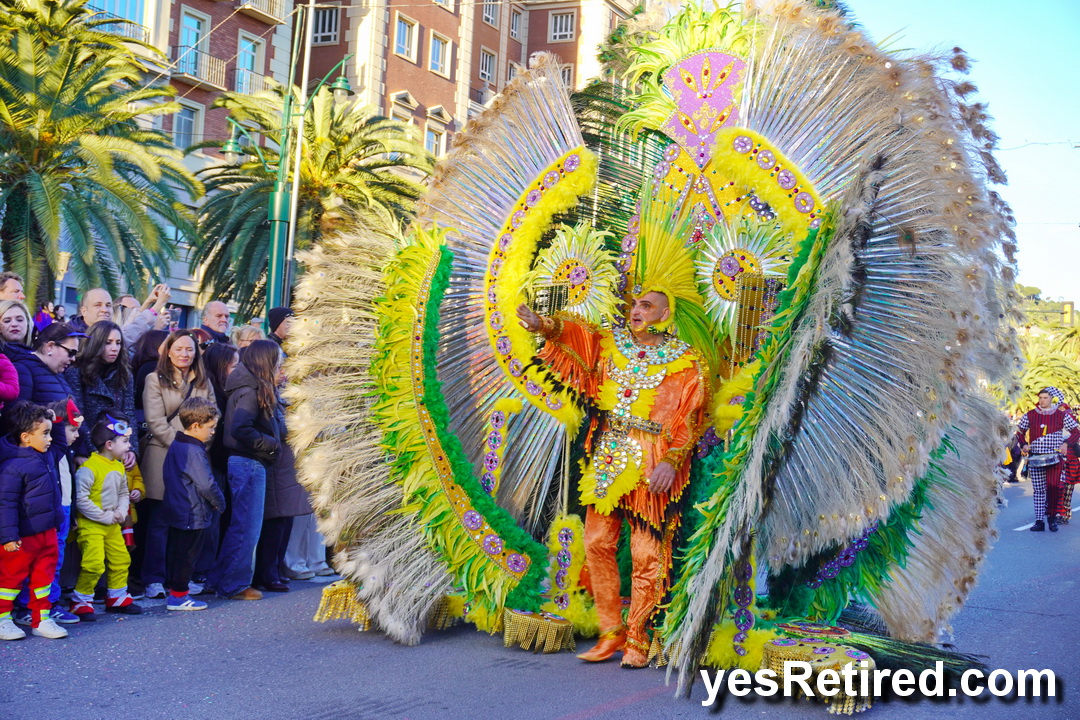
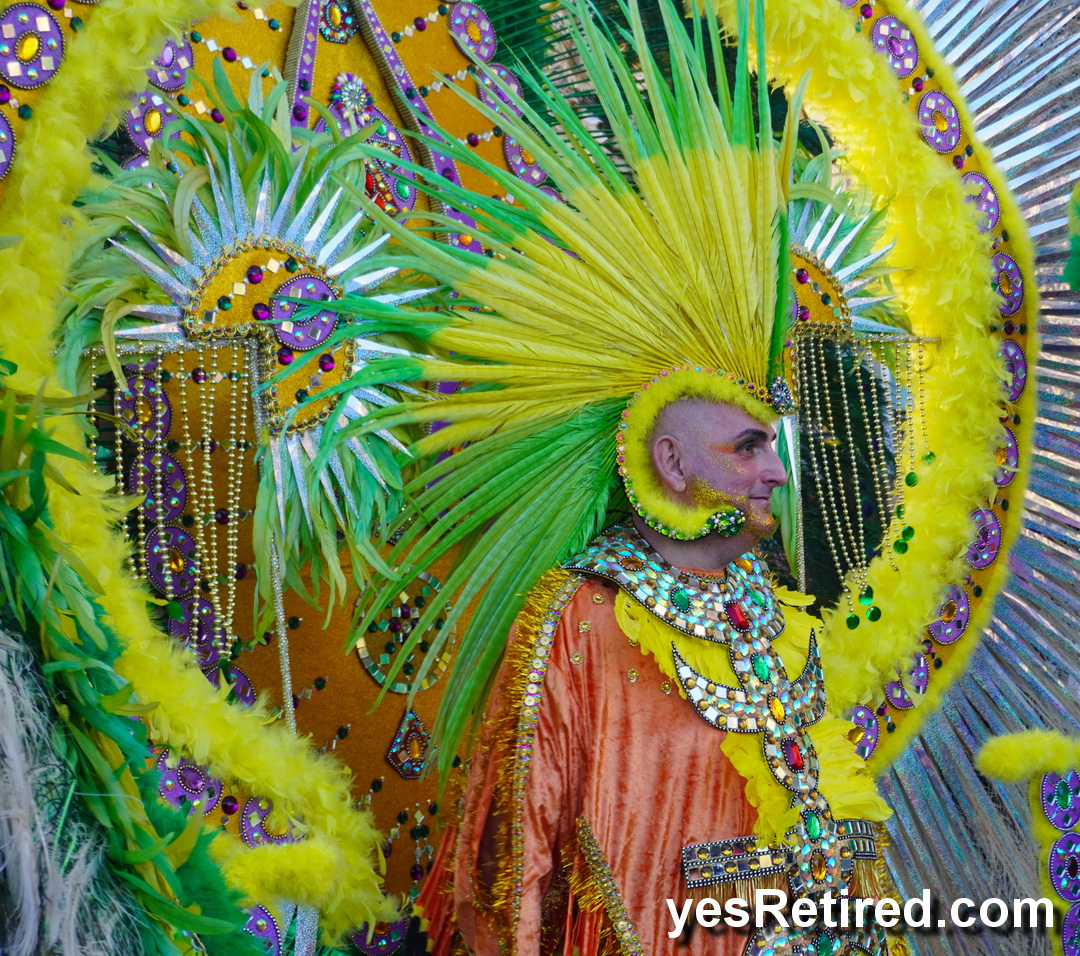
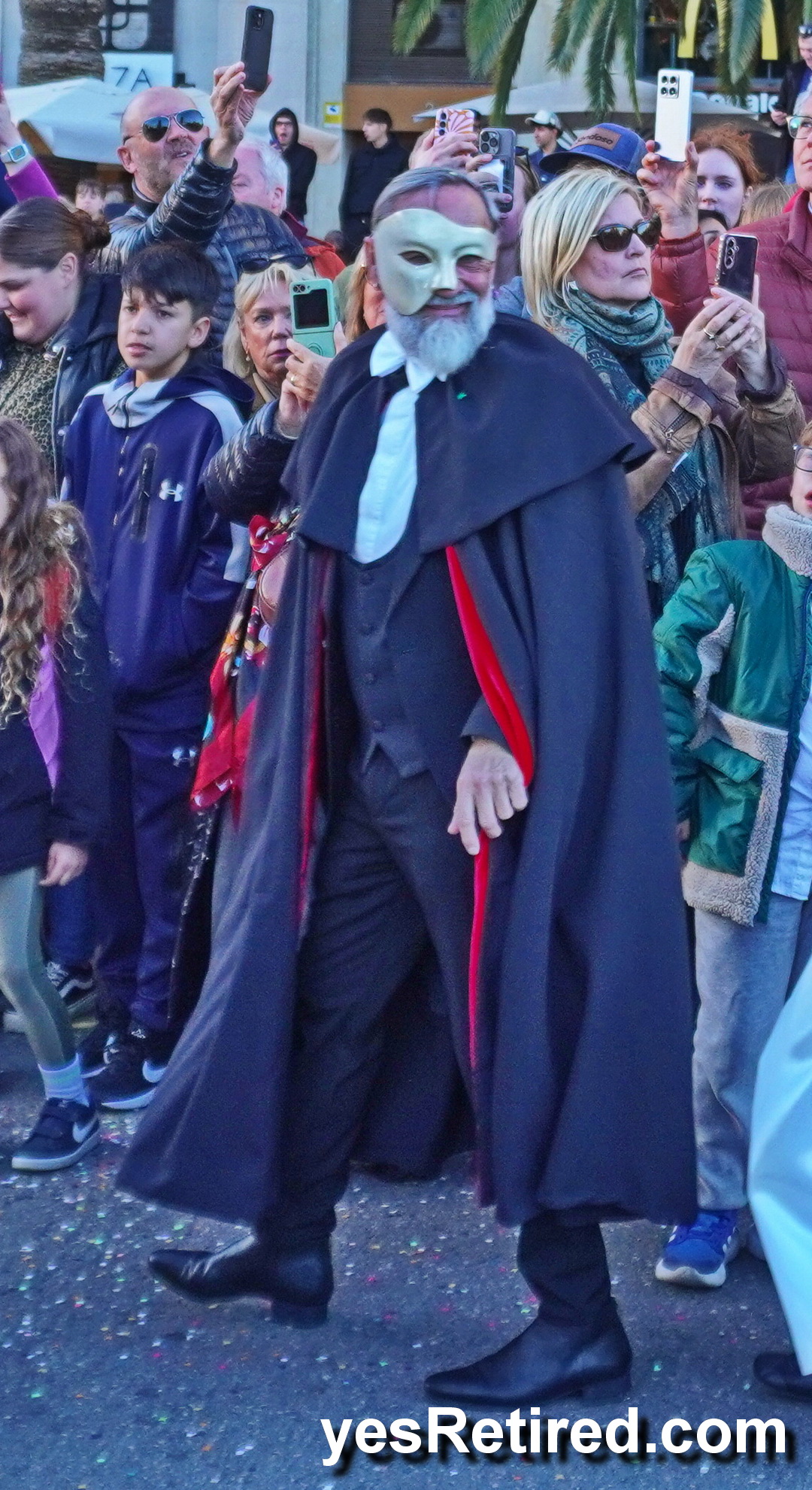
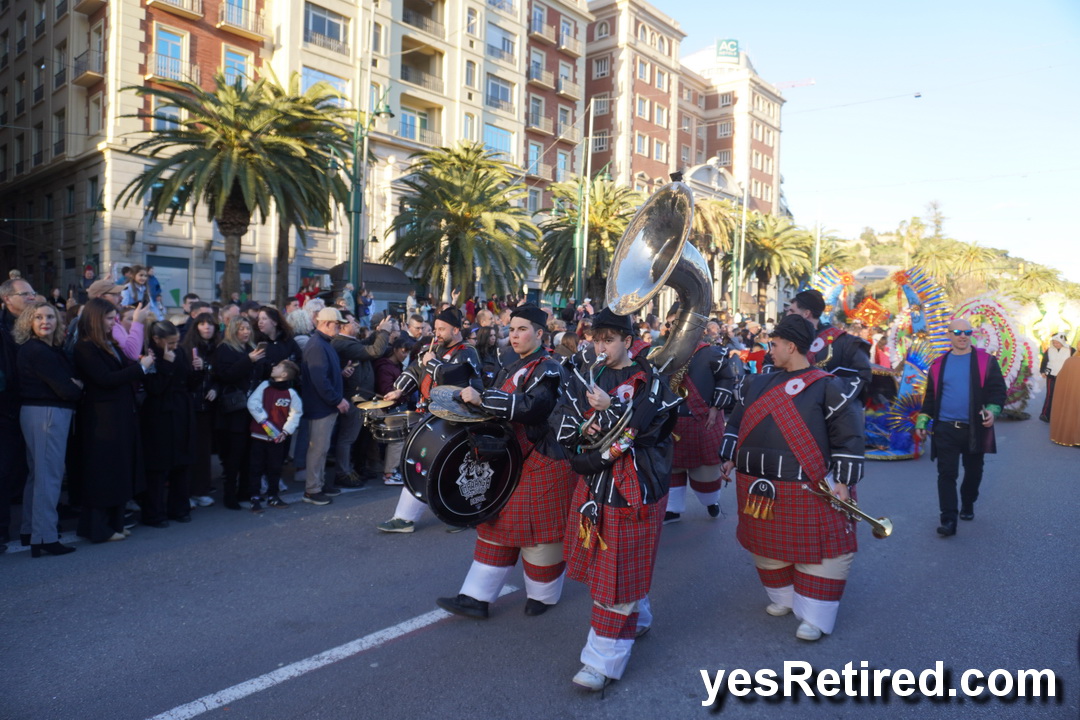
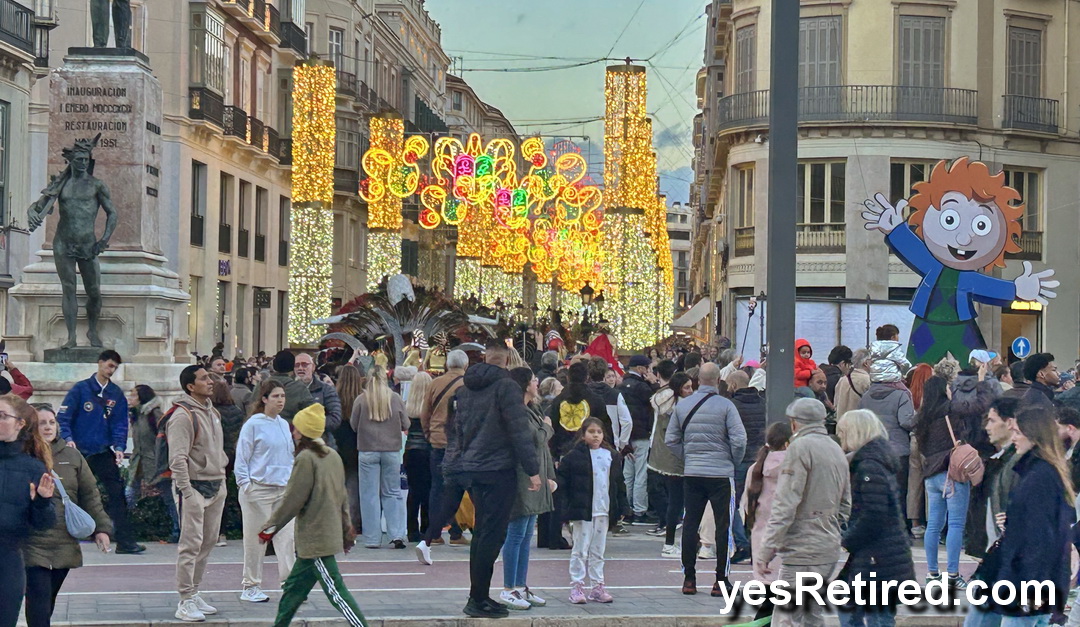
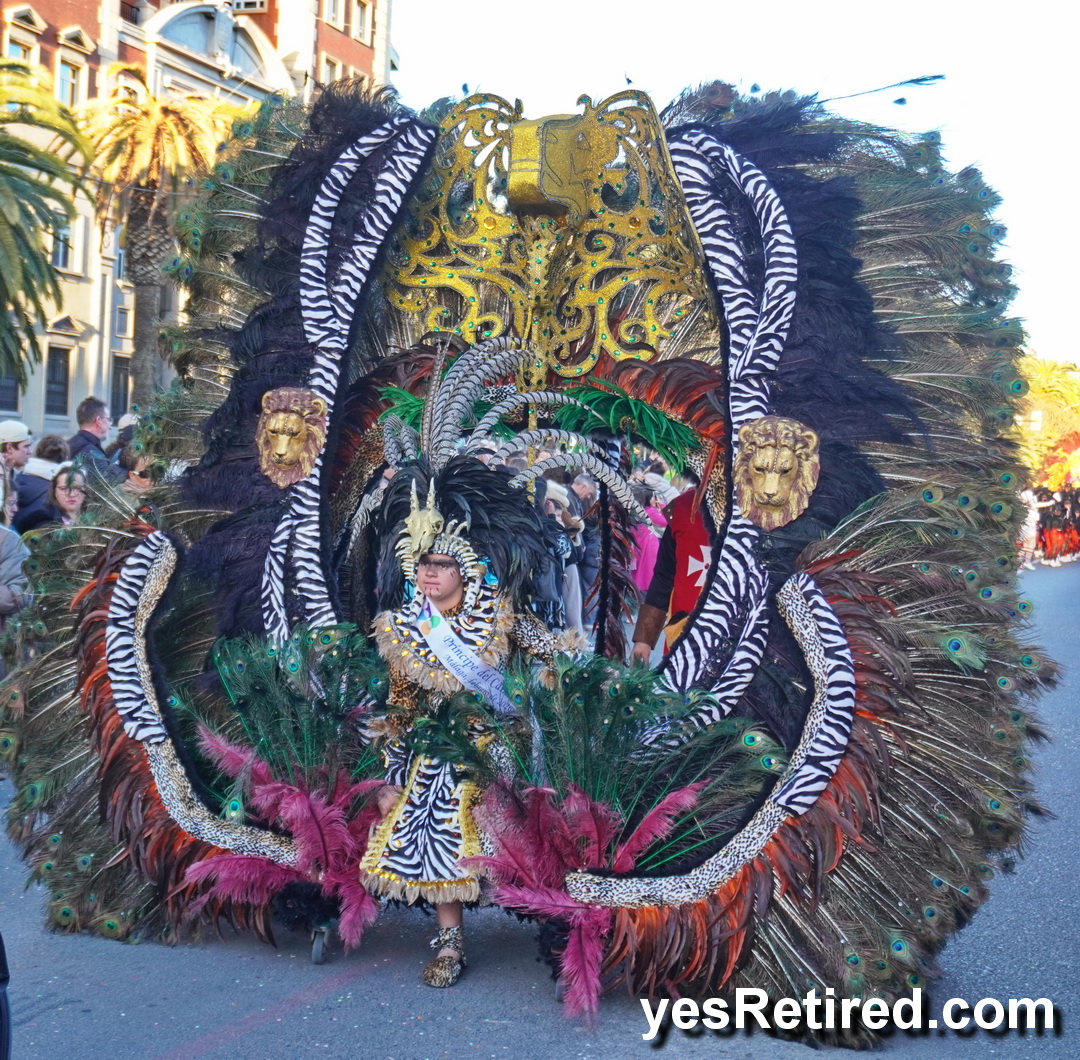
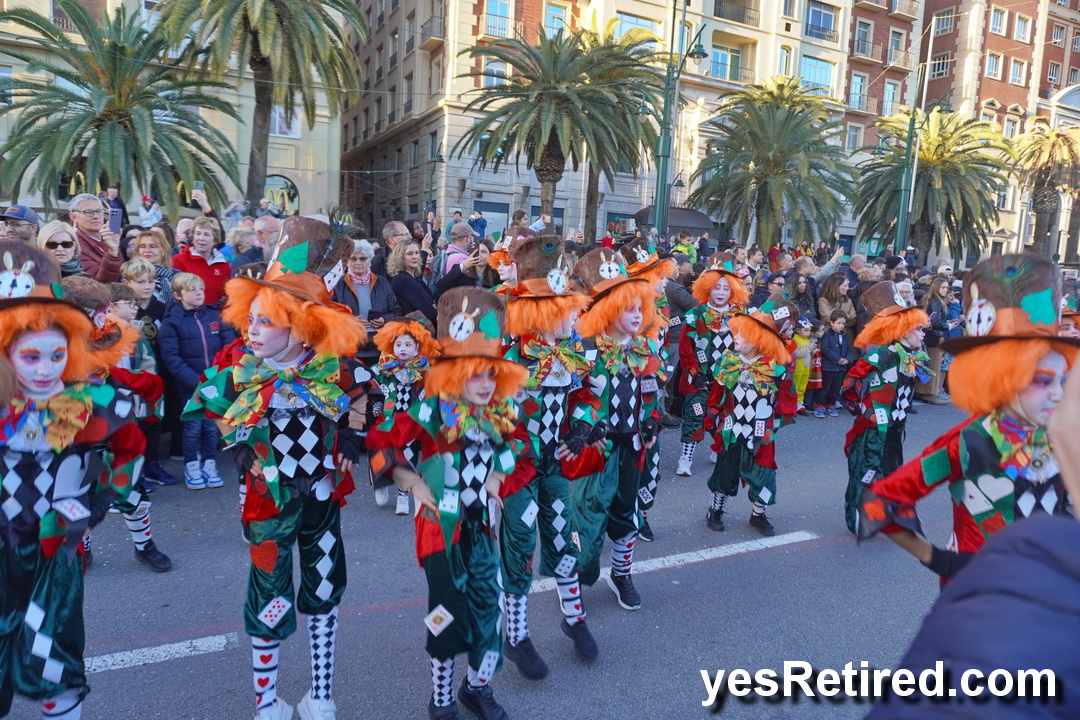
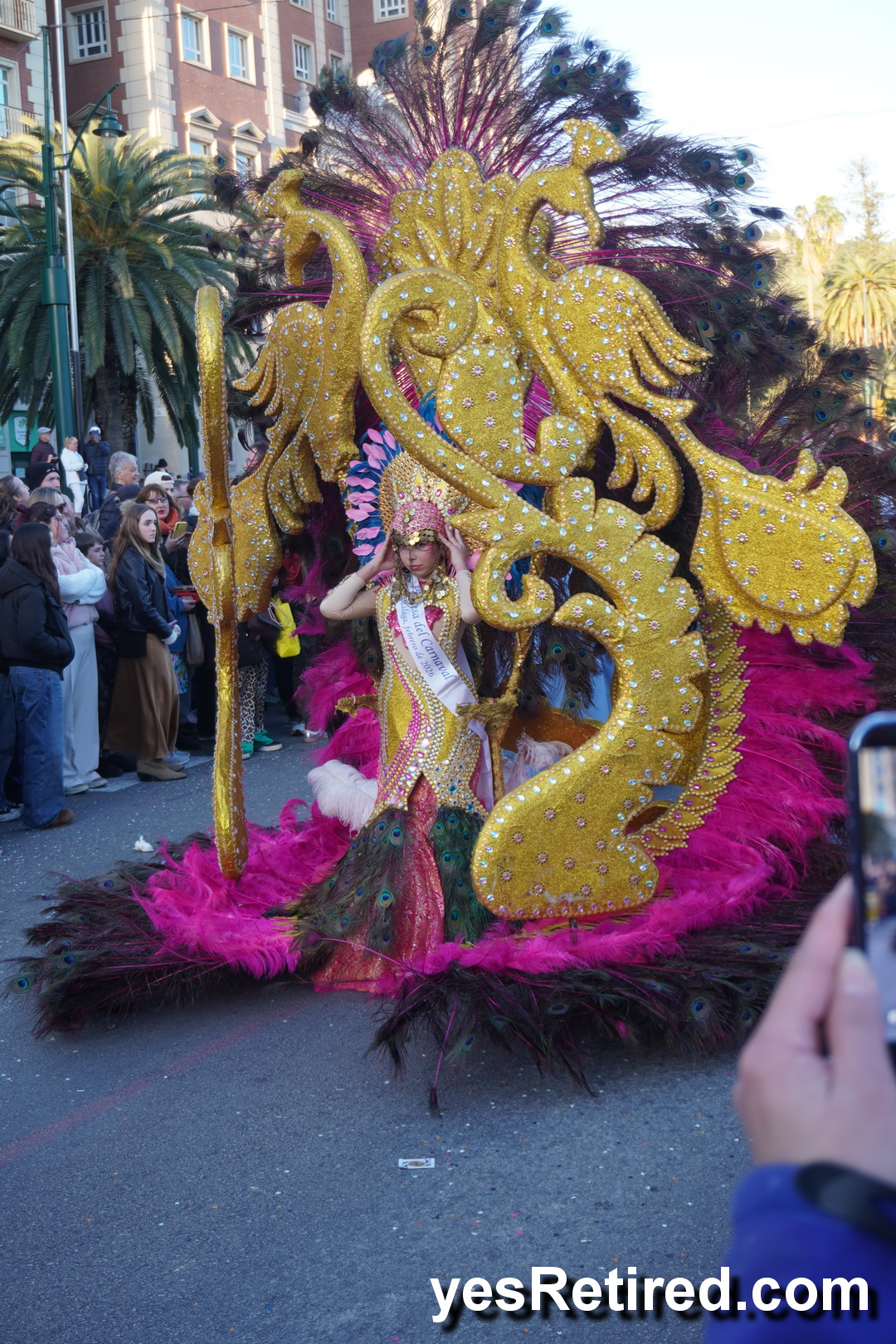
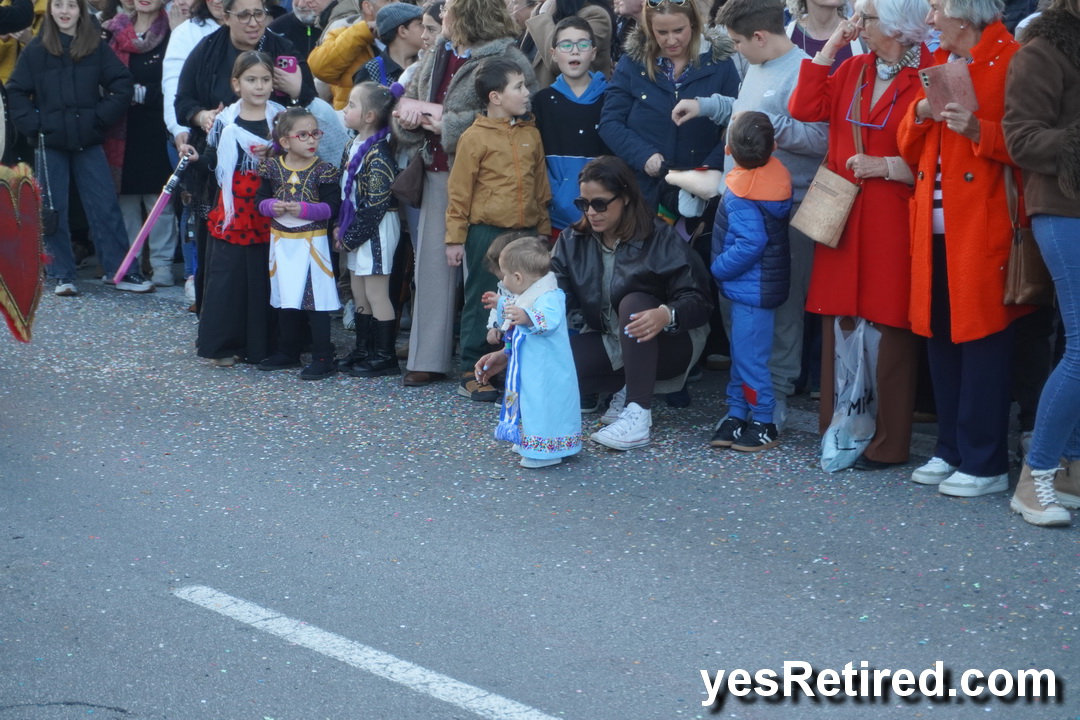
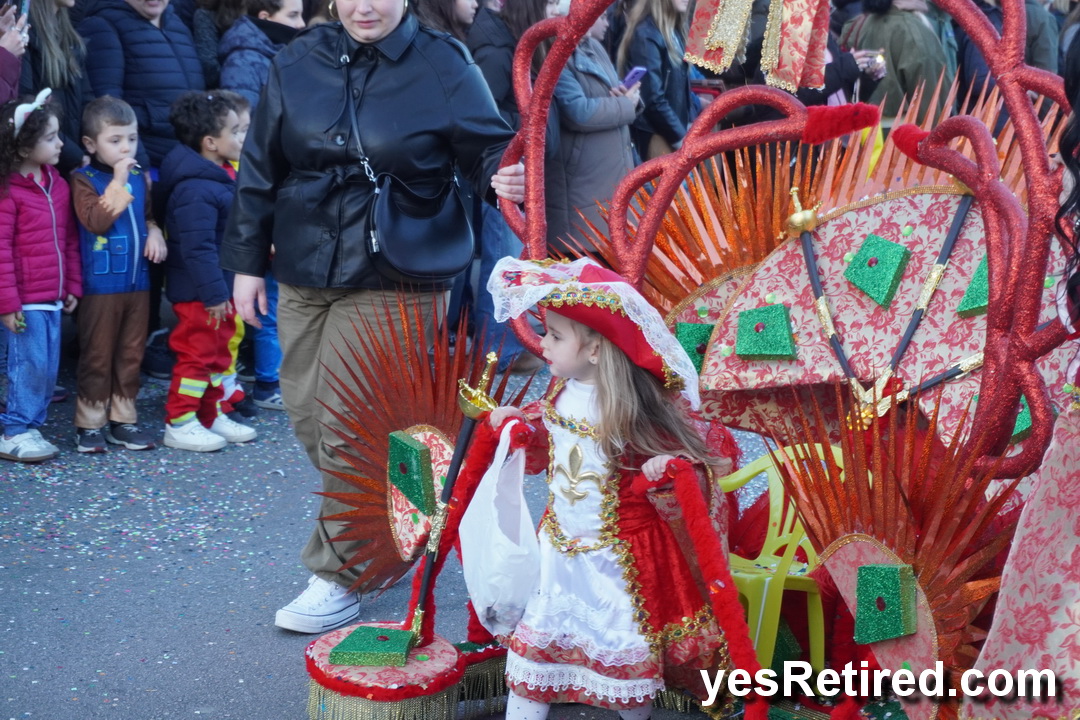
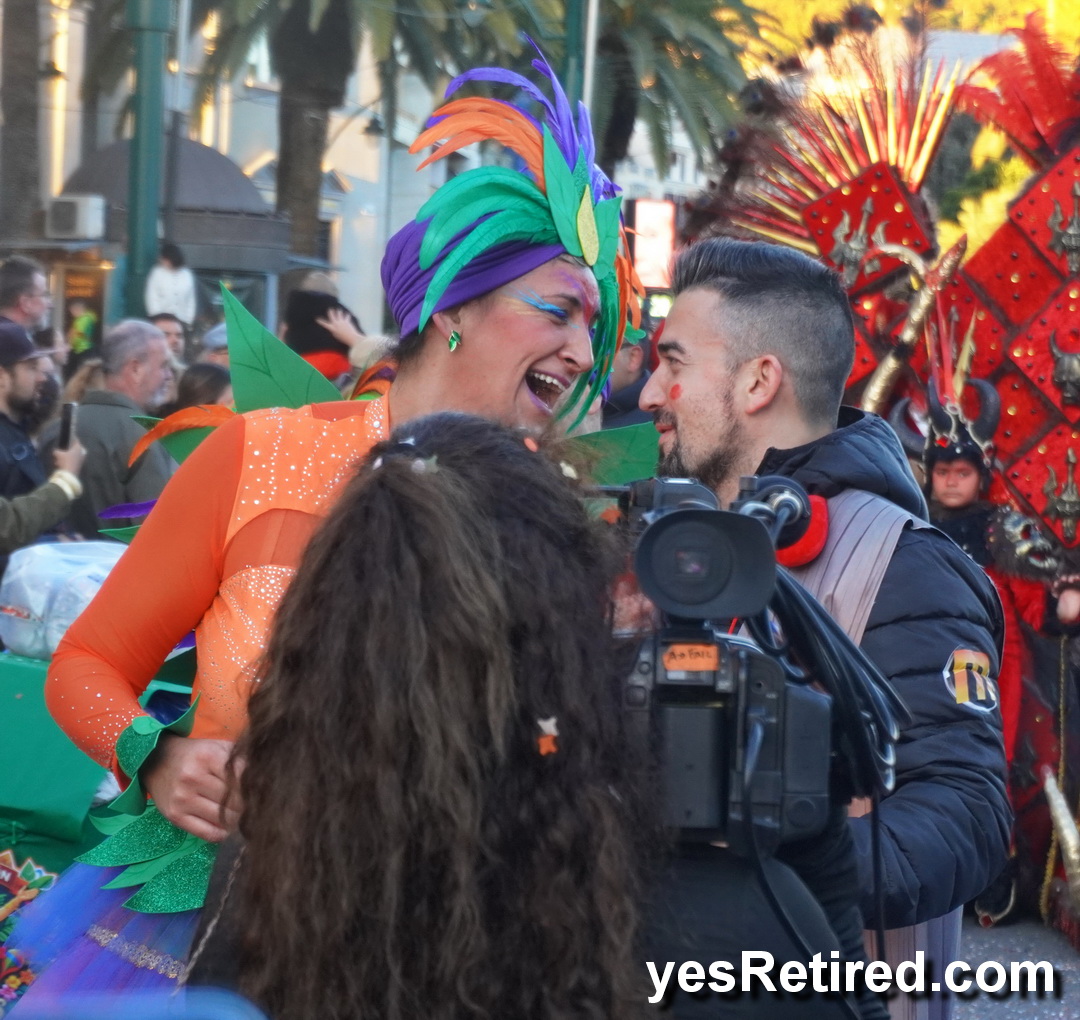
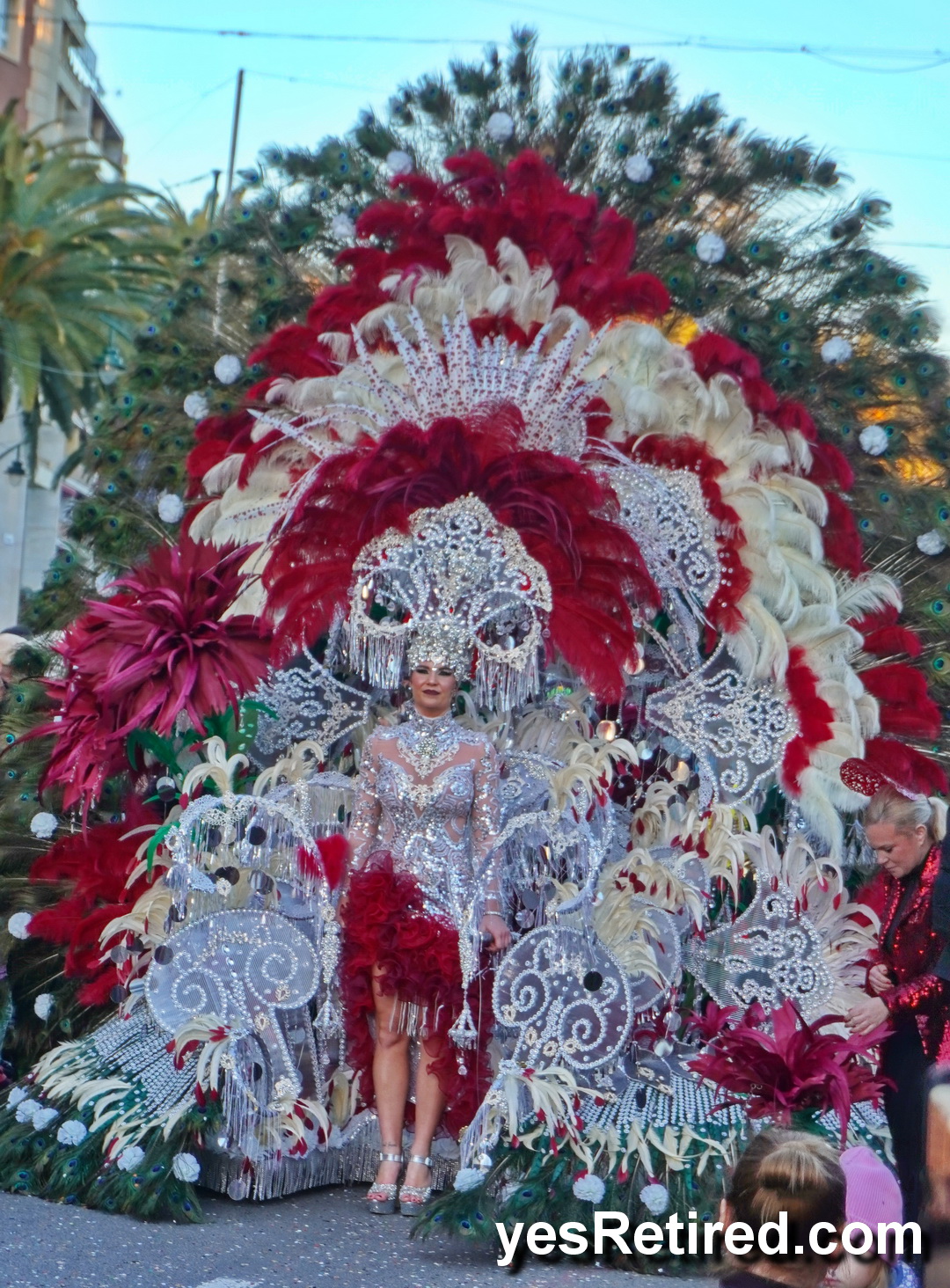
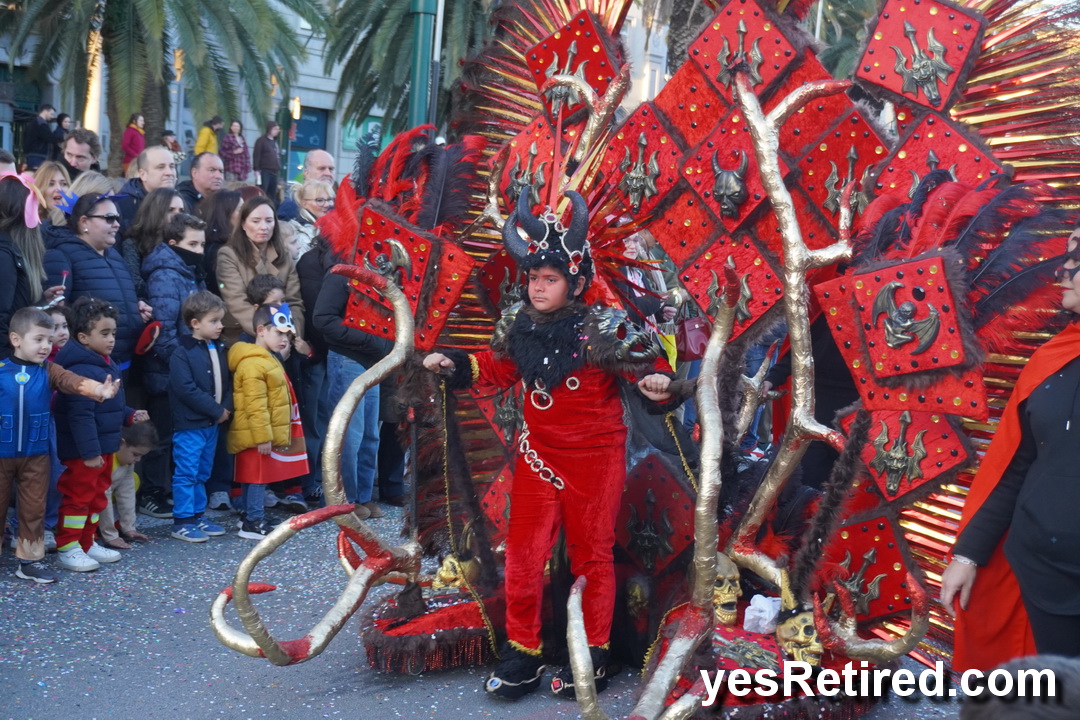
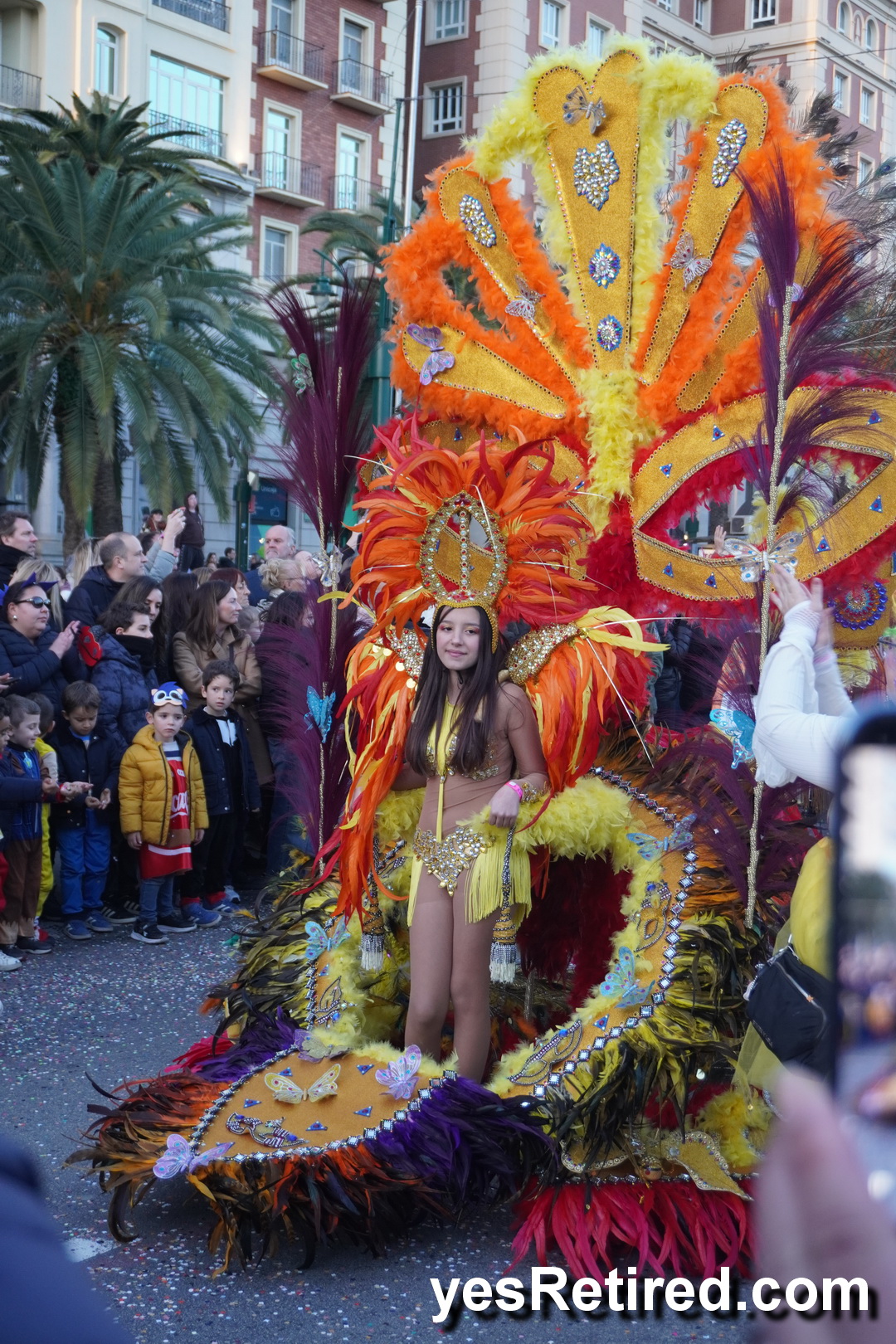
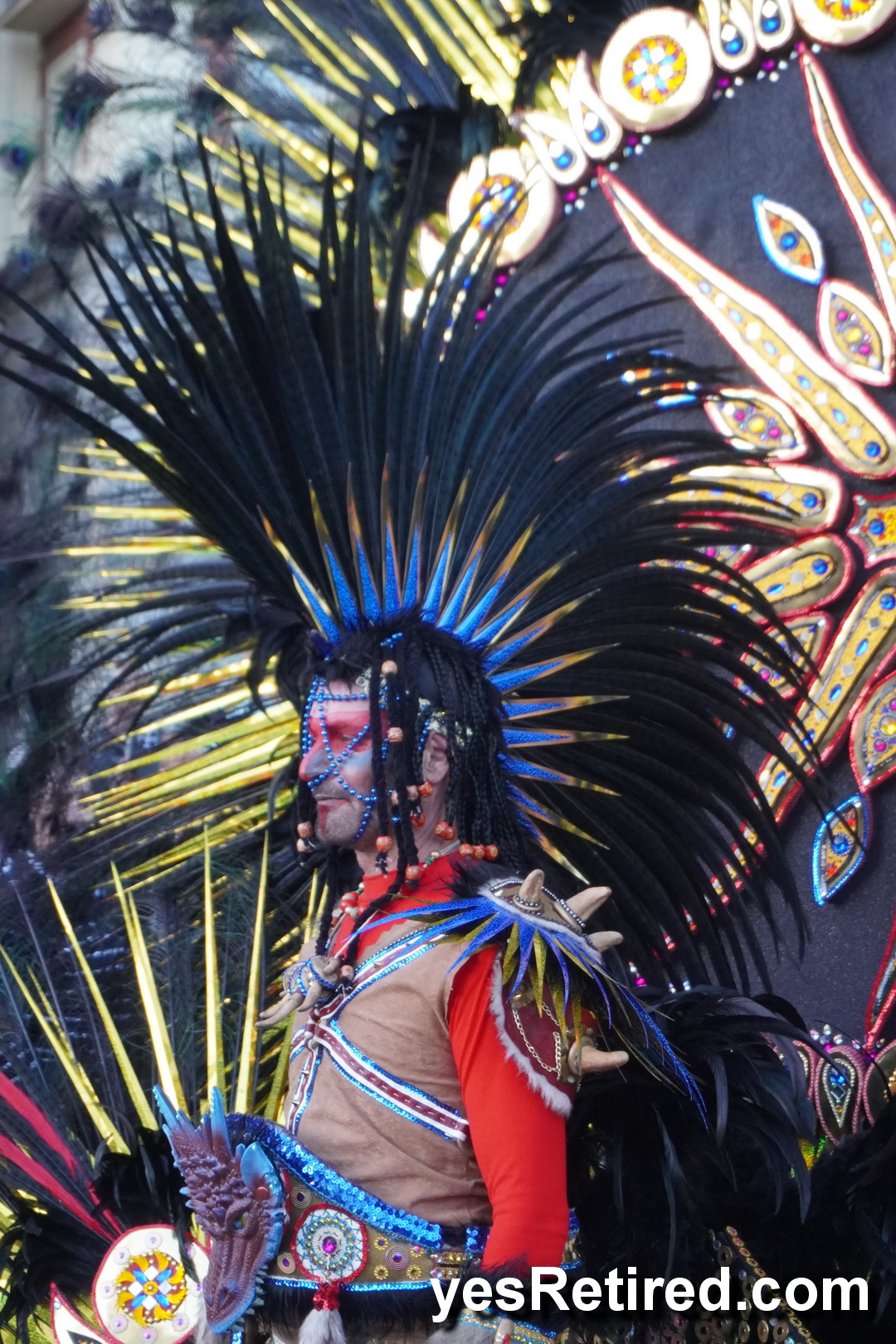
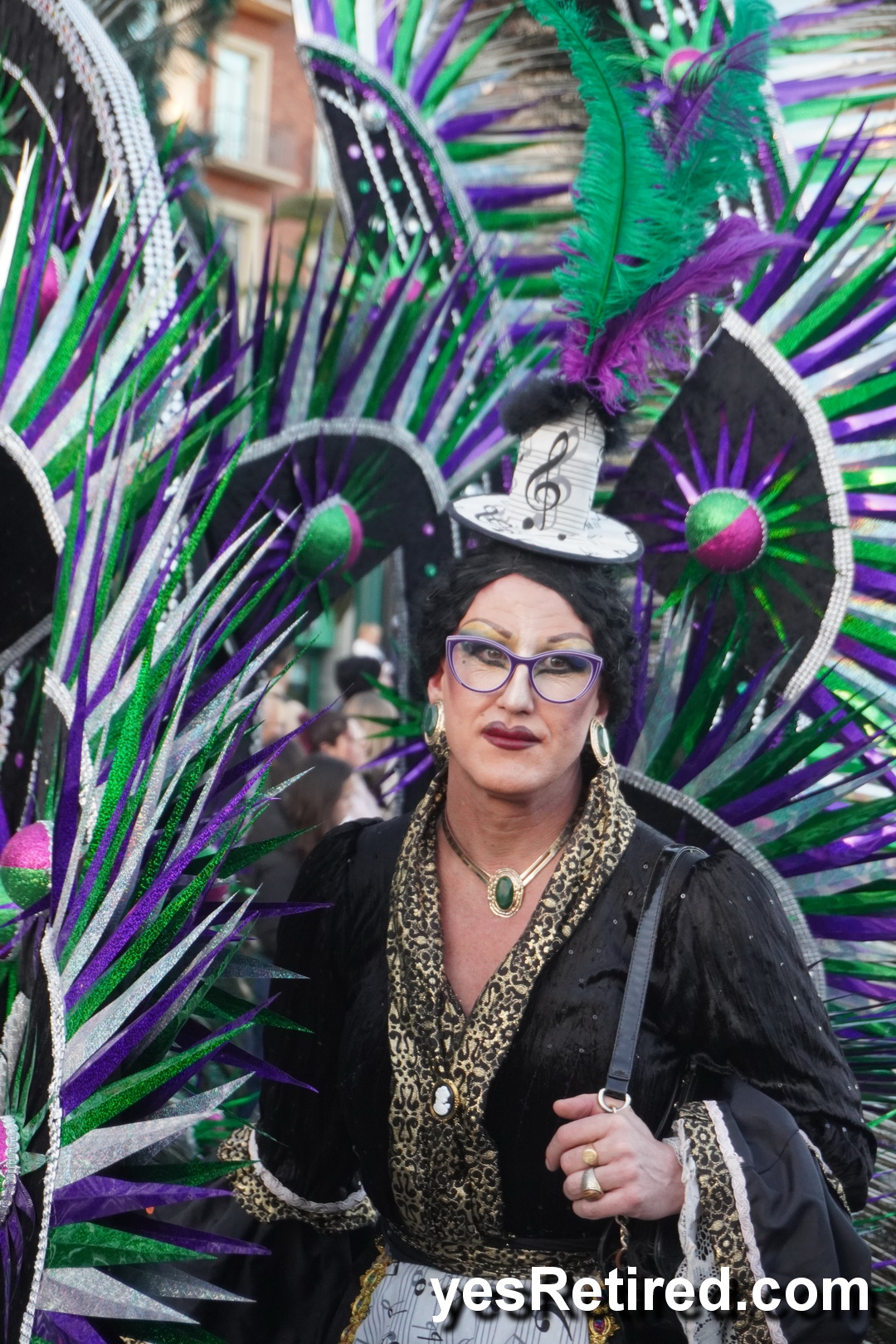
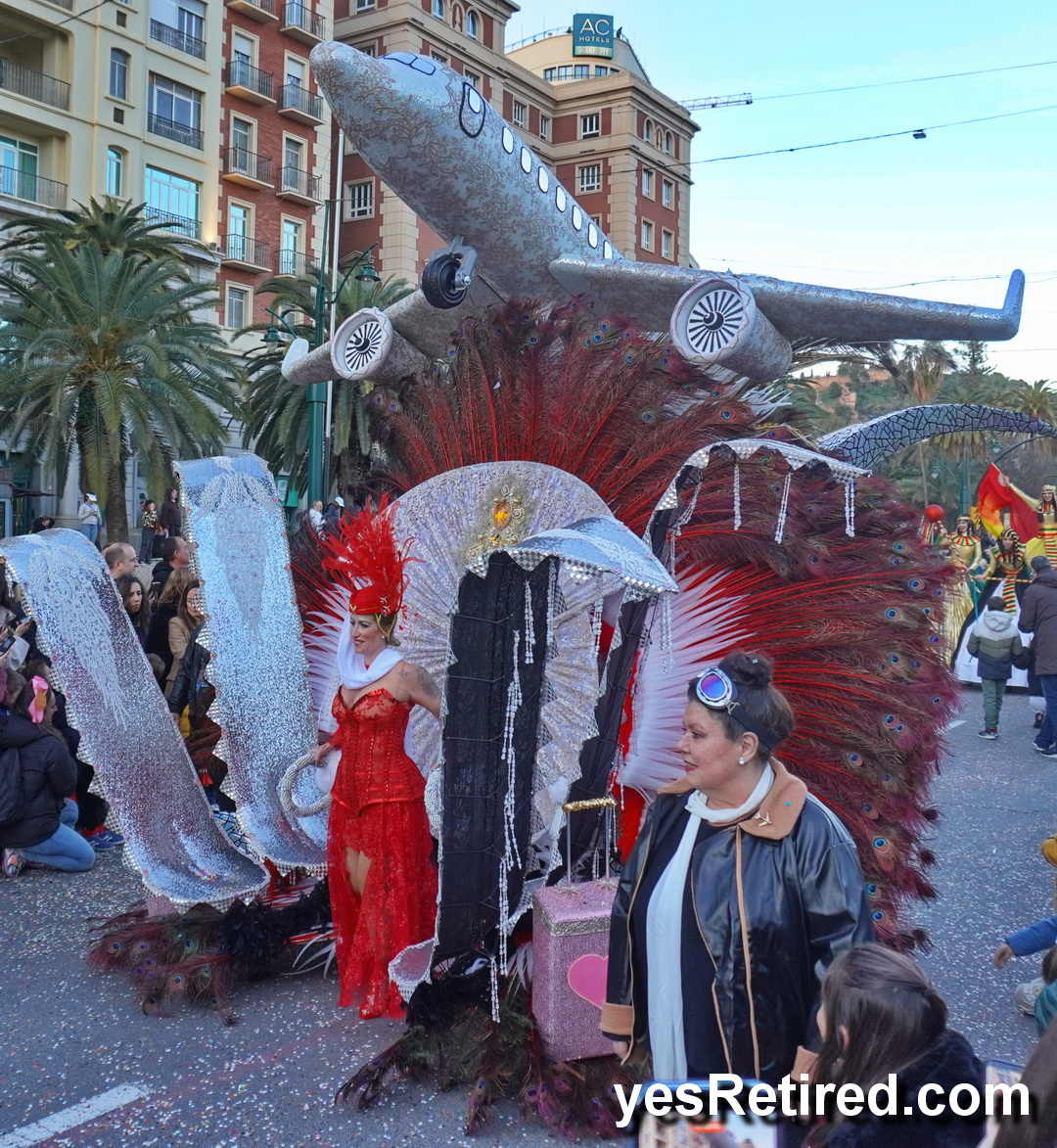
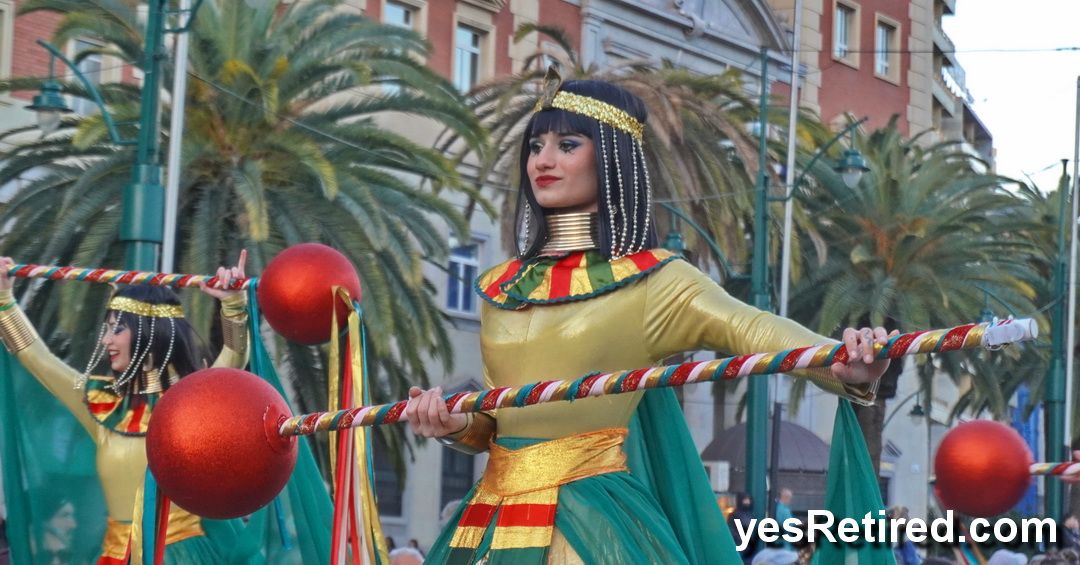
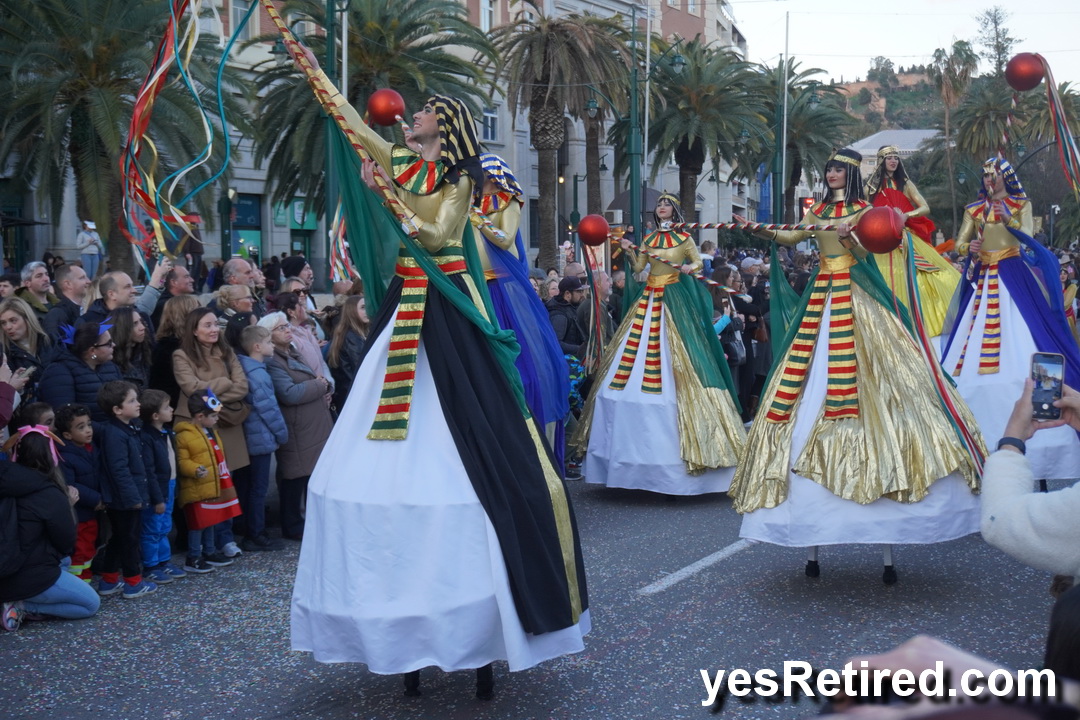
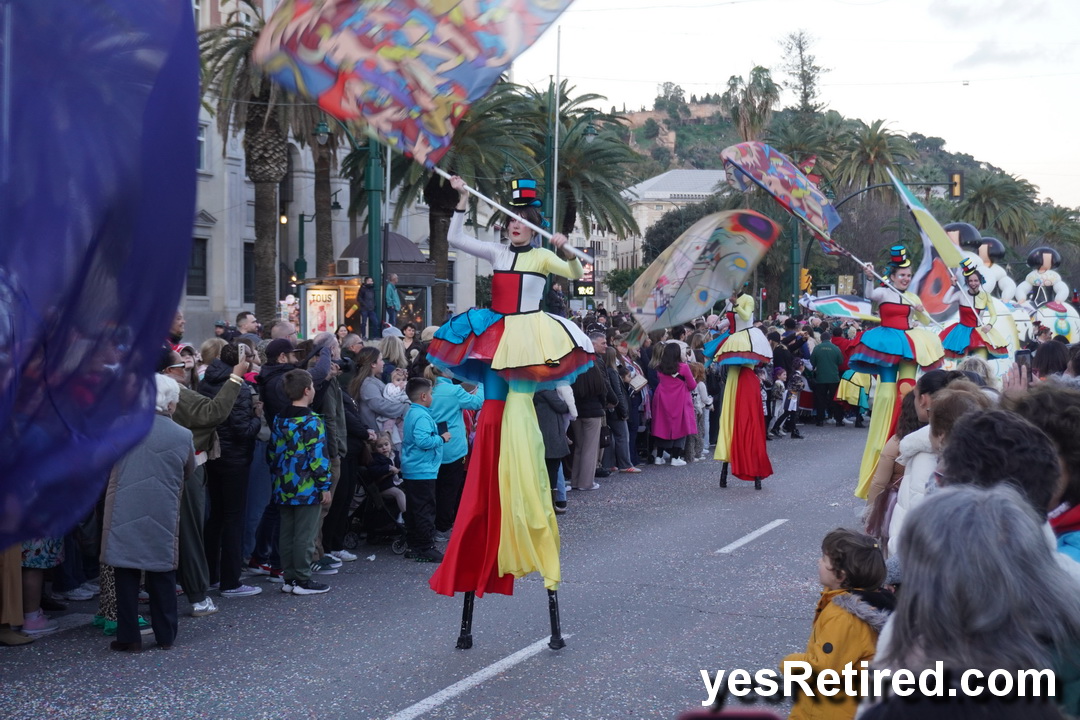
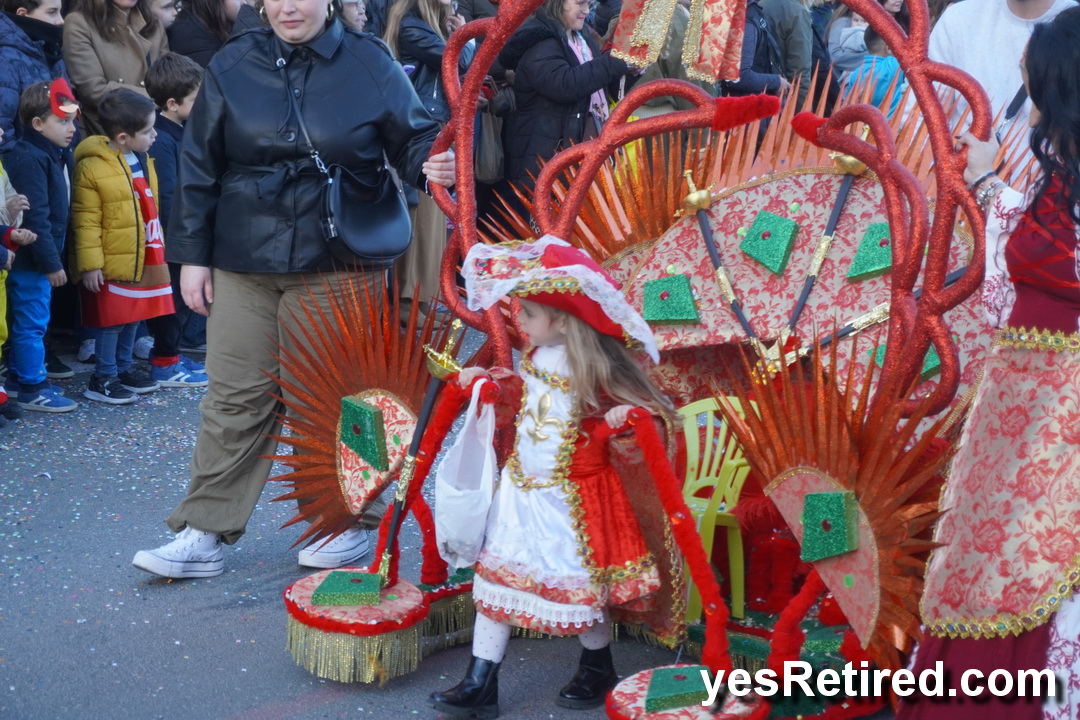
We enjoyed Spain’s Carnival parade, in Malaga yesterday. It’s a total fanfare of colour and extreme showgirl fashion, that extends down to the 5 year old kids as well as males and also to everyday people watching the parade.
After experiencing it, the following AI summary helped me understand its origins.
Lots of photos in a lightbox if you click on the images.
🌟 Where the Feathered Carnival Style in Spain Comes From
1. Spanish Carnival Itself Is Ancient — but NOT the Feathered Style
Carnival in Spain dates back to medieval times and was shaped by Roman festivals (Saturnalia, Lupercalia) and later Christian pre‑Lent celebrations. These early carnivals involved masks, satire, and costumes — but not the feathered showgirl aesthetic.
2. The Feathered, Showgirl‑Style Parades Came from Latin America
The glamorous, feather‑laden costumes associated with Spanish carnival today — especially the huge headdresses and sparkling bodysuits — are directly inspired by Brazilian and Caribbean carnival traditions, where feathers symbolize spectacle, sensuality, and celebration.
This influence spread globally in the 20th century and was adopted enthusiastically in Spanish territories with strong Atlantic cultural exchange.
3. The Canary Islands Made This Style Famous in Spain
The Carnival of Santa Cruz de Tenerife is the clearest example. It is internationally known and explicitly modeled after Rio de Janeiro’s carnival, even being considered the second most important carnival after Rio.
This is where the iconic “Reina del Carnaval” (Carnival Queen) appears in enormous feathered costumes weighing tens of kilos — a tradition that then influenced other Spanish cities.
4. From the Canary Islands to Mainland Spain
As Tenerife’s carnival gained global fame, its aesthetic spread to mainland Spanish carnivals (e.g., Cádiz, Sitges, Águilas).
But the origin of the feathered look is not Spanish — it is an imported Latin American style layered onto Spain’s much older carnival tradition.
🧭 Summary
Origin of Spanish feathered carnival parades:
Not medieval Spain → those carnivals used masks and satire.
Imported from Brazil/Caribbean → feathers, samba‑style dancing, showgirl costumes.
Popularized in Spain via the Canary Islands, especially Tenerife’s Rio‑inspired carnival.
Please SUBSCRIBE to our NOTIFICATIONS
If you would like to be notified of more articles like this, please LIKE our Facebook page, which will then include us in your Facebook feed. Use this LINK to take you to our page, then click the LIKE button shown below. Or Like our twitter feed.