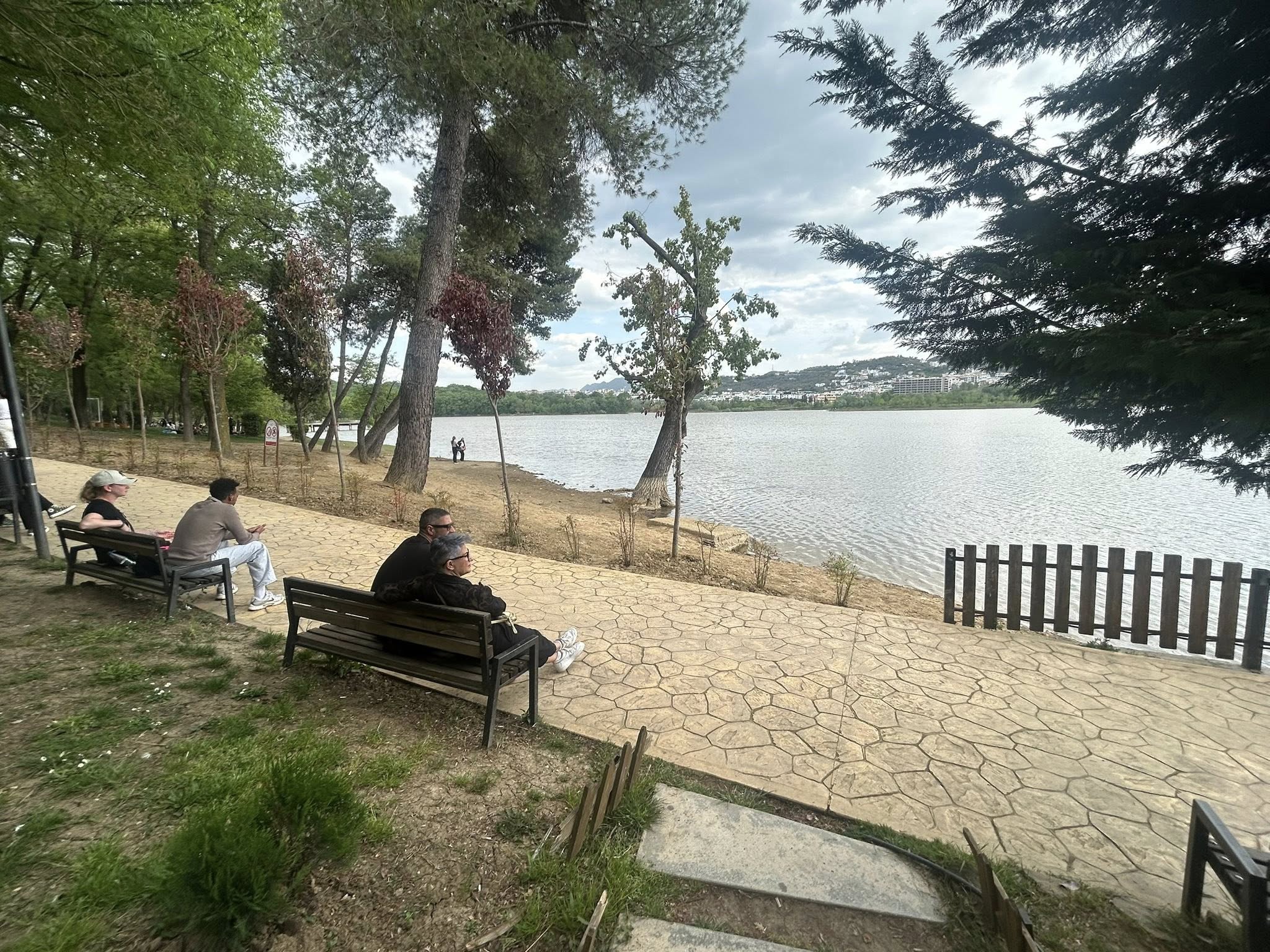
Albania has given us a wonderfully relaxed and memorable one‑month “slow travel” experience. This small Balkan country, tucked between Greece and Montenegro, first caught our attention because it sits outside the European Schengen zone—perfect for Canadian Snowbirds like us who spend 90 days in Spain and need somewhere interesting to go afterward. They get a lot of sunshine here being close to the Mediterranean but is a few degrees cooler than Spain’s Costa del Sol. Day time temps were 19-26C (60F – 80F) during our stay in April.
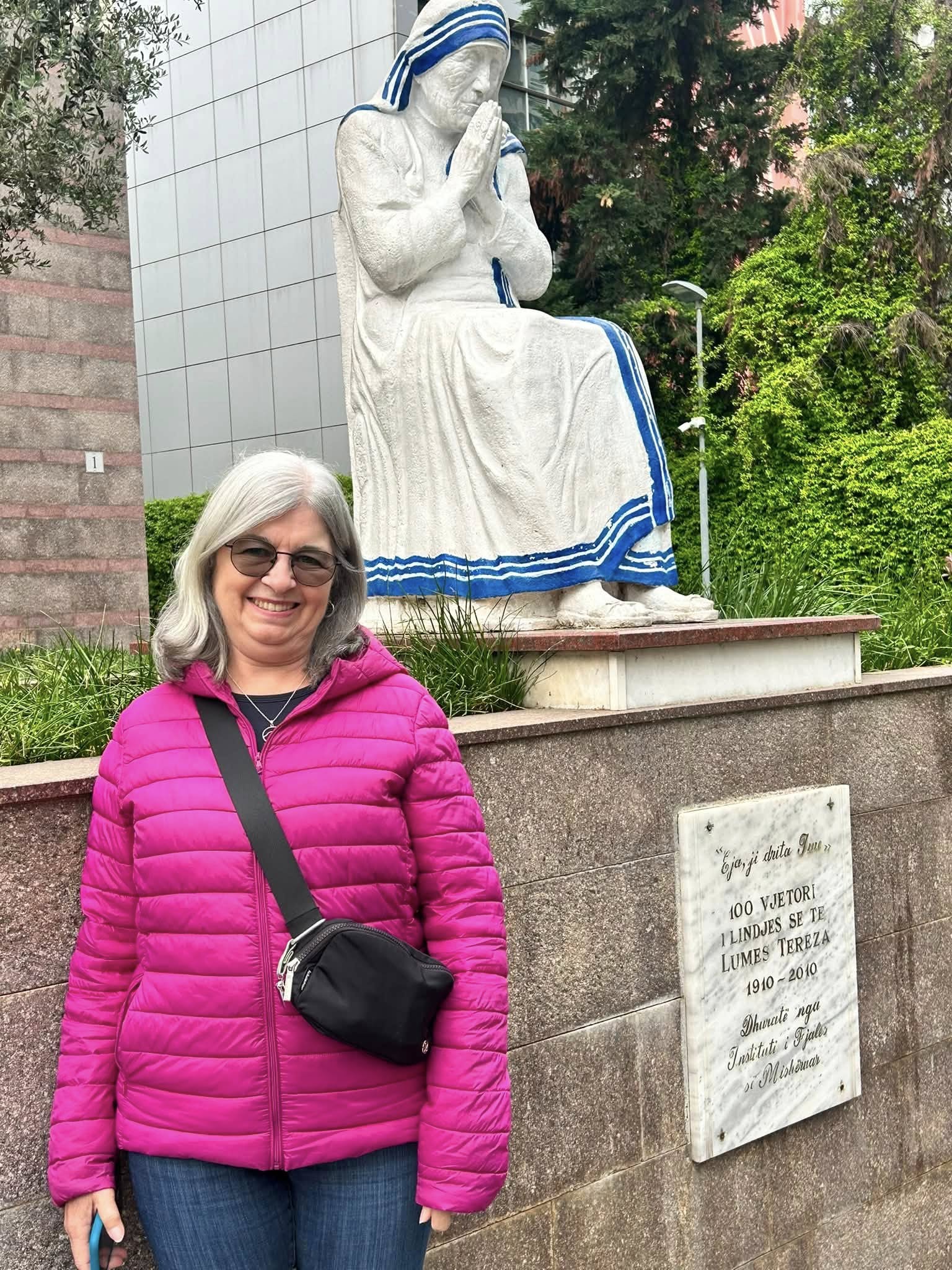
We spent most of our month in Tirana, the capital, home to about 500,000 people—roughly the size of Halifax, NS. The locals have been warm and welcoming, even though English isn’t yet widespread. That’s changing quickly, though: schools now also teach English starting in Grade 1.
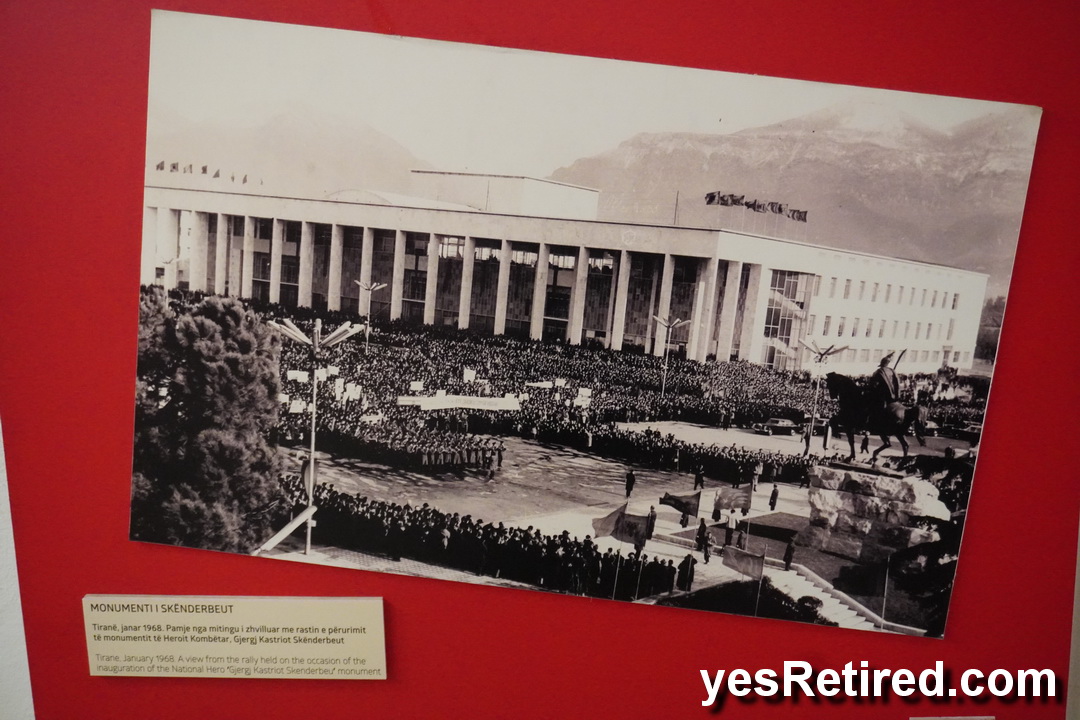
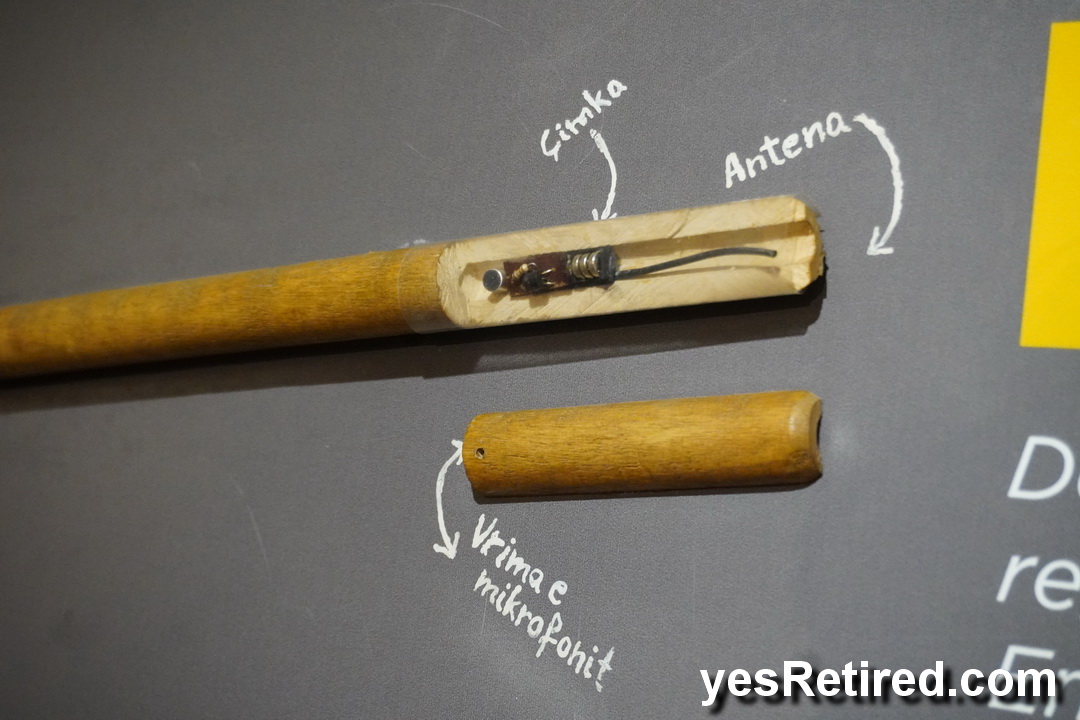
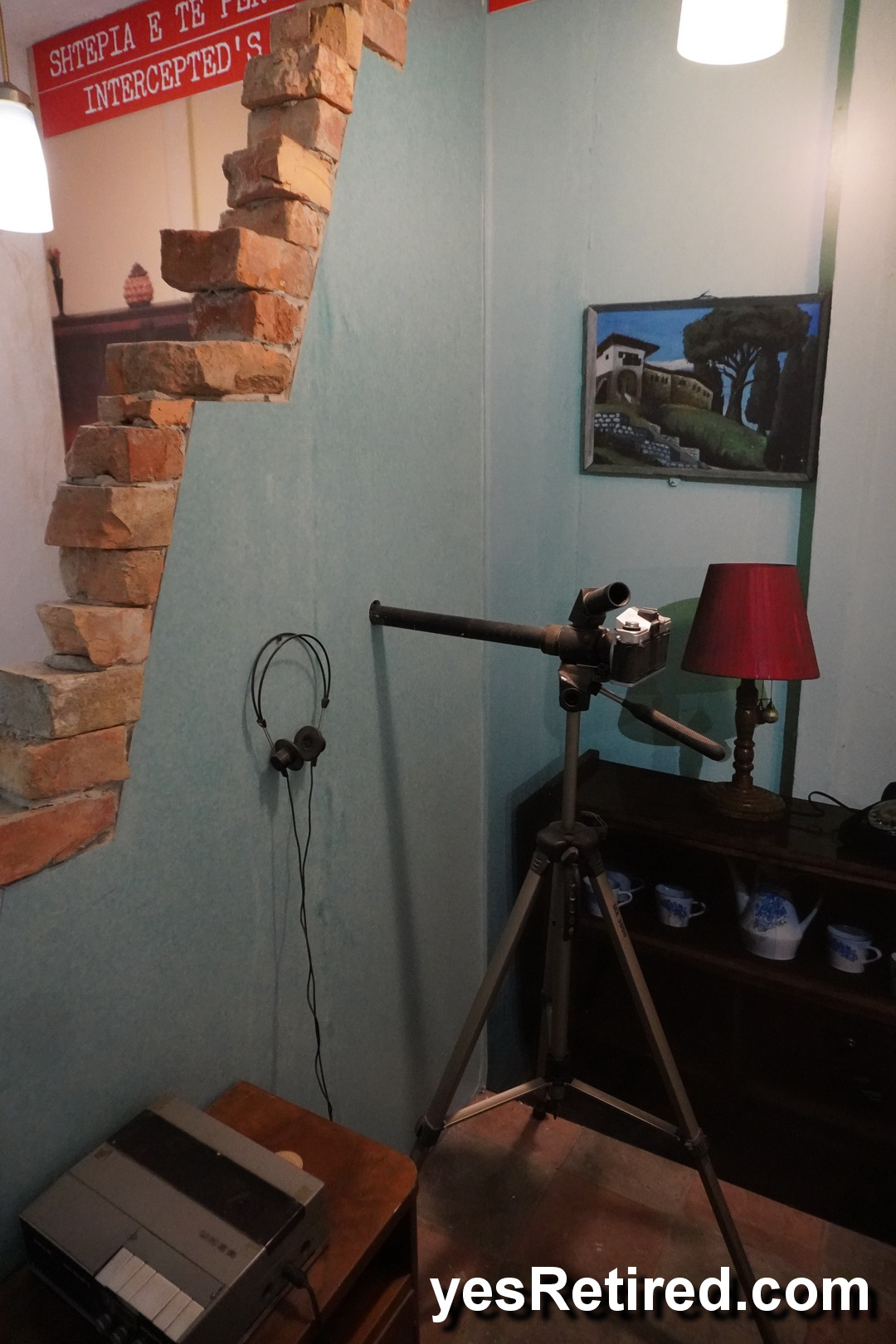
It’s remarkable to remember that before 1990 Albania was ruled by a communist dictator, shifting alliances with other communist powers and fostering a deeply paranoid society. That era produced some extreme measures, including the construction of more than 500,000 bunkers scattered across the country. Since the fall of communism, Albania has been modernizing at an astonishing pace. You still see crumbling buildings from the old days, but they’re disappearing fast.
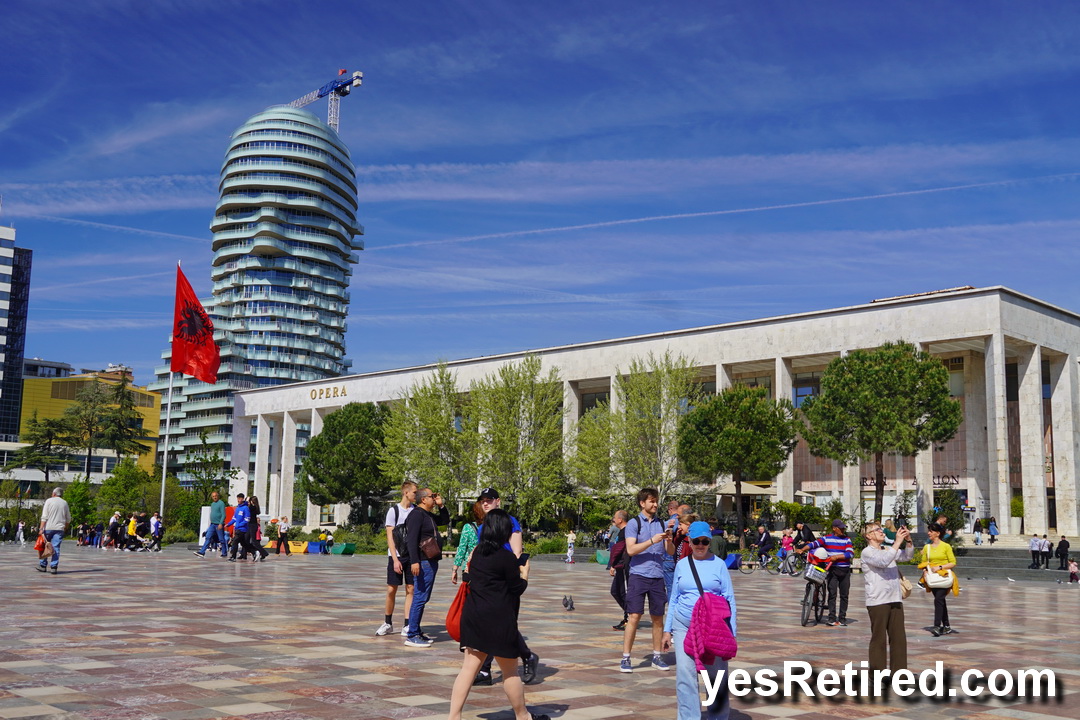
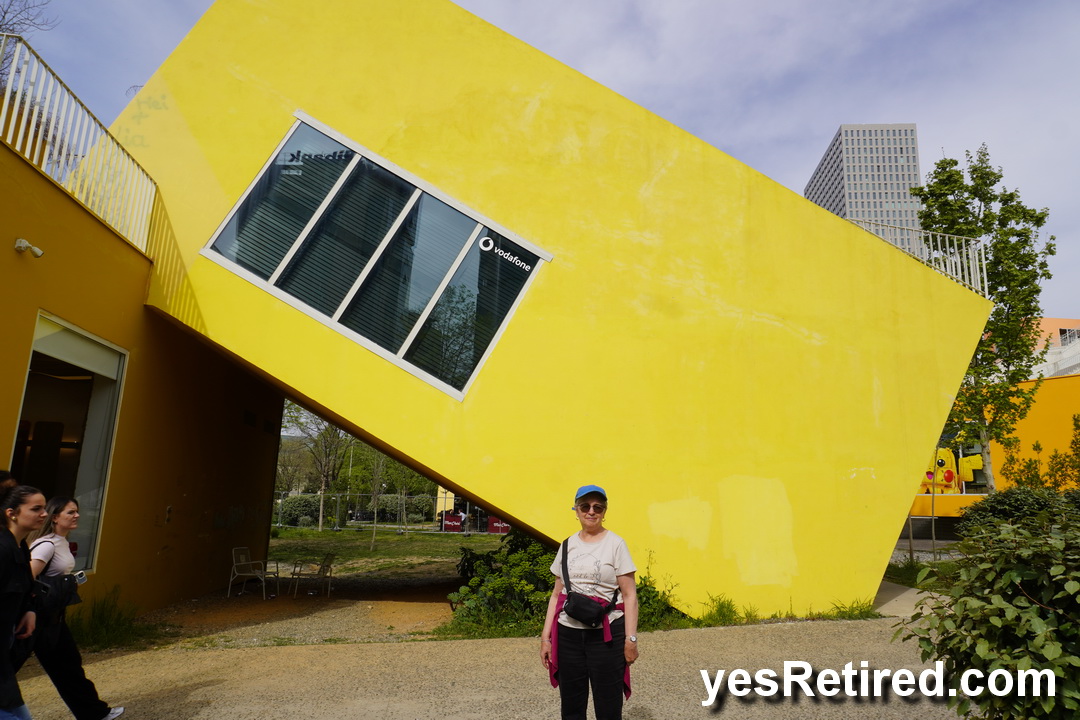
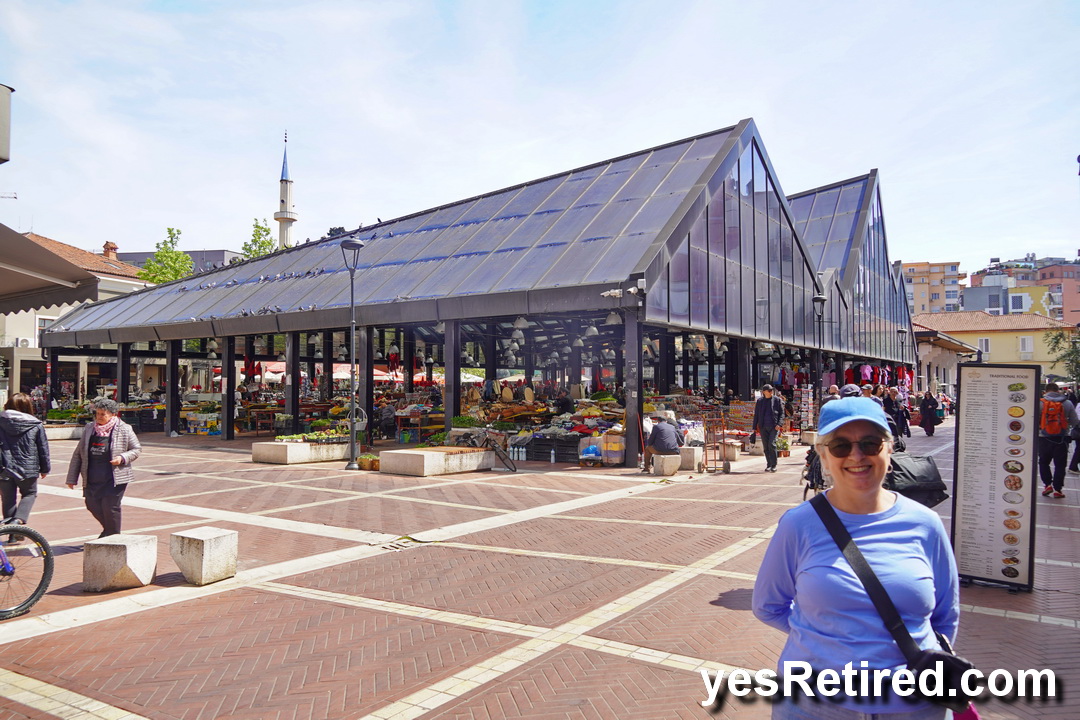
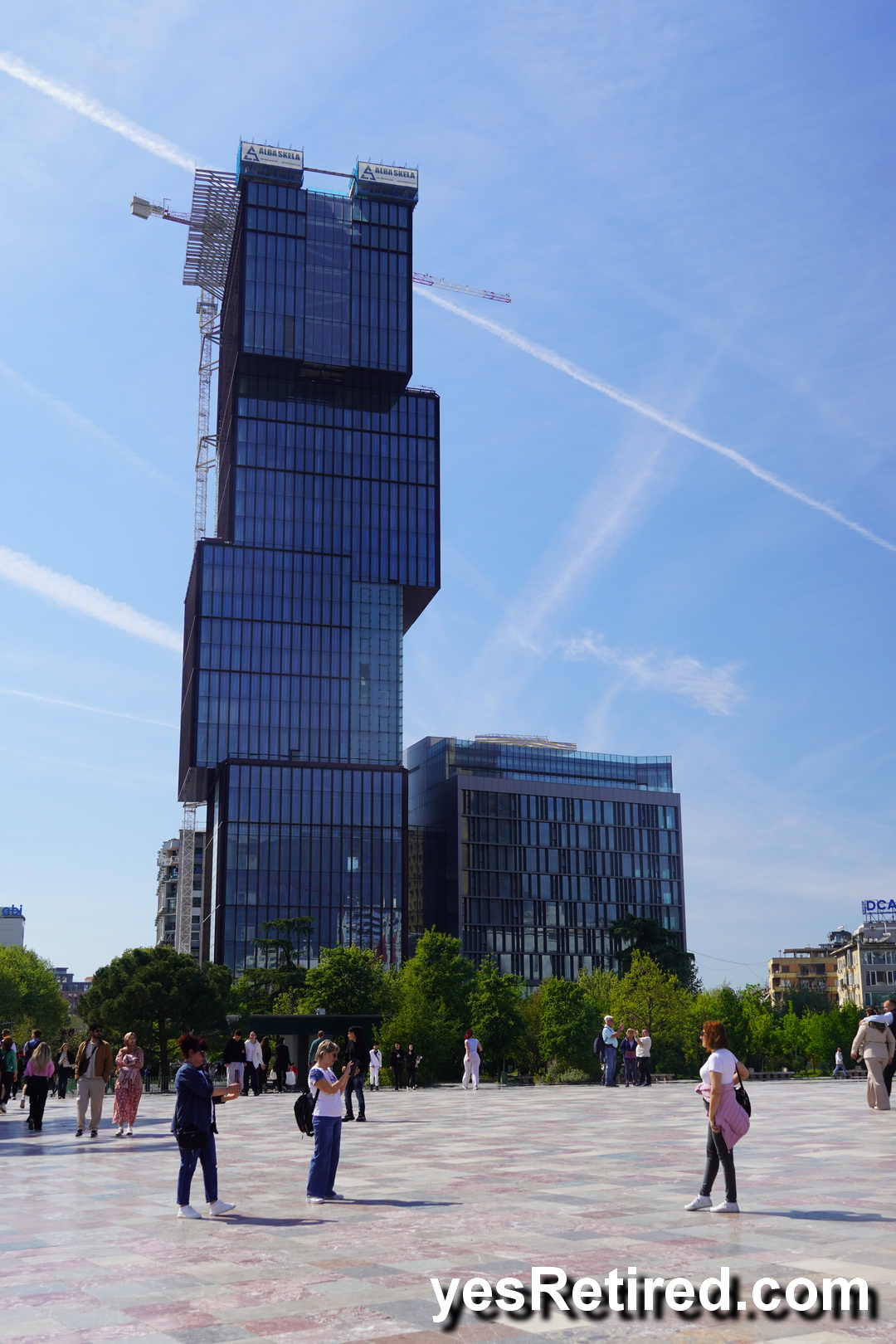
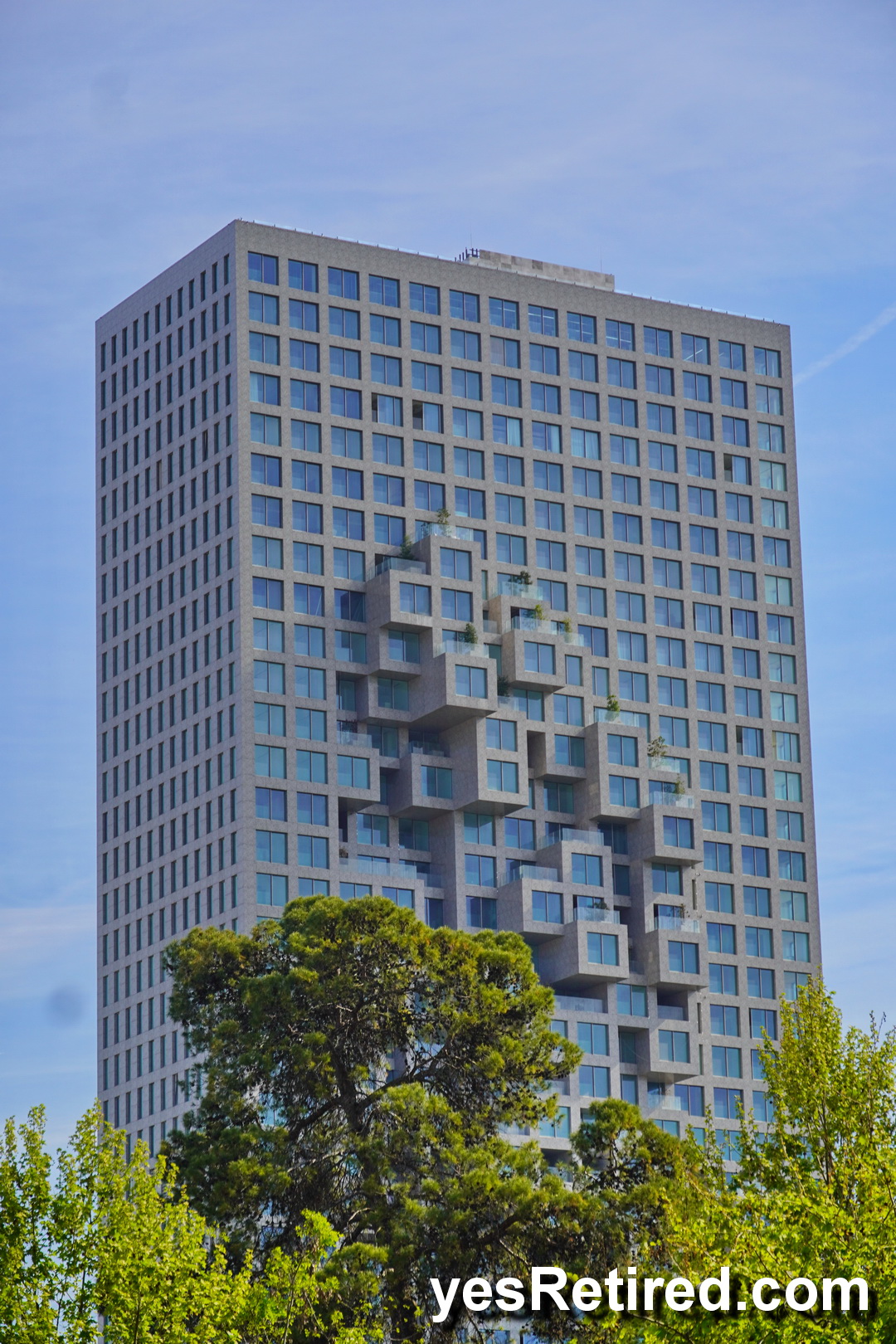
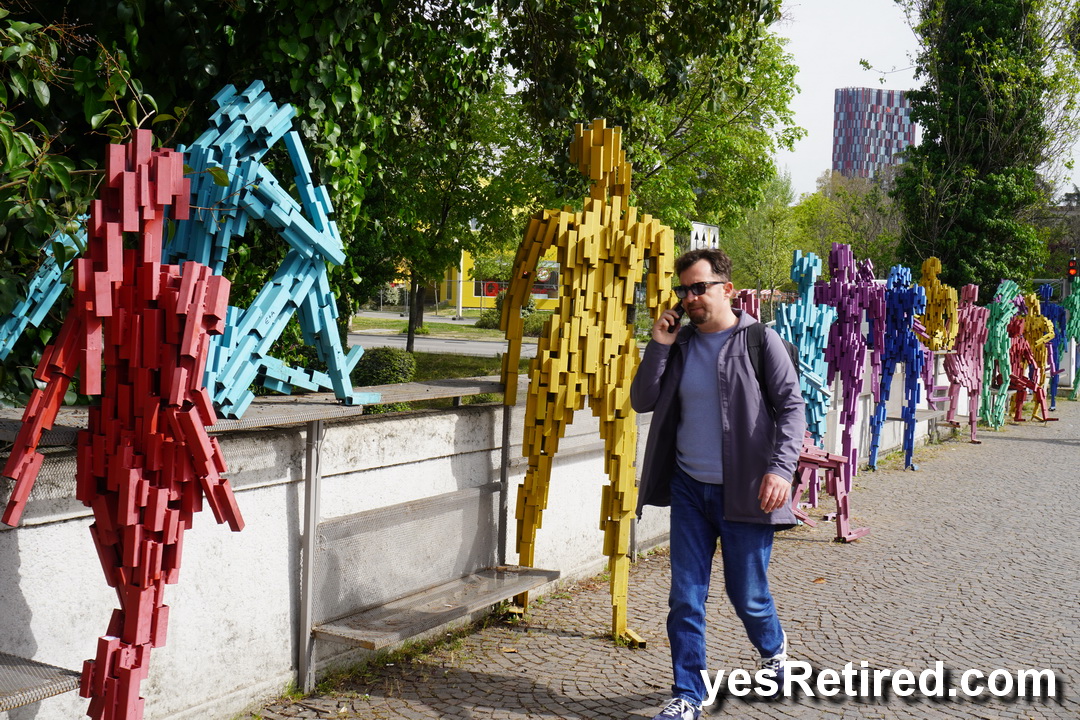
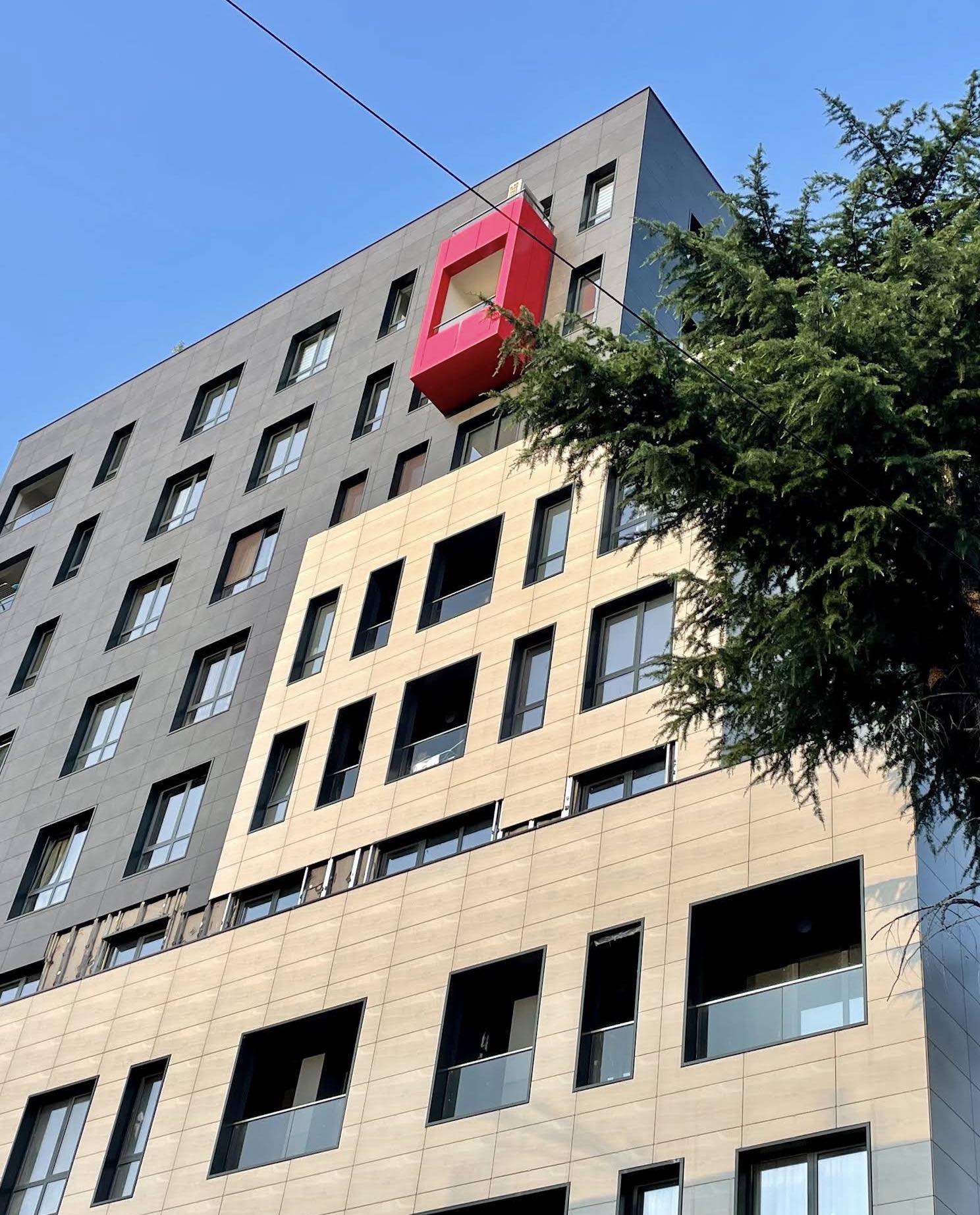
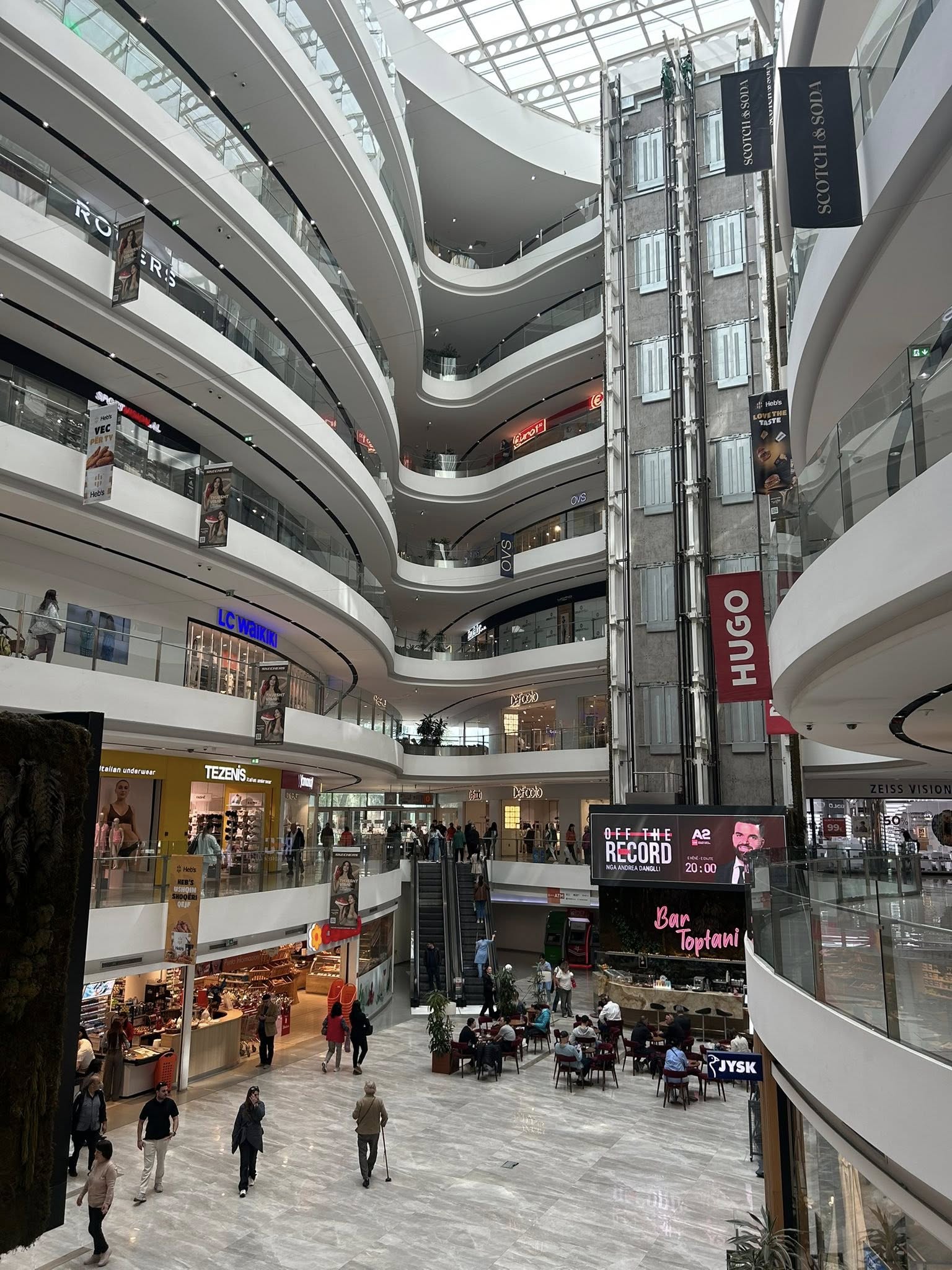
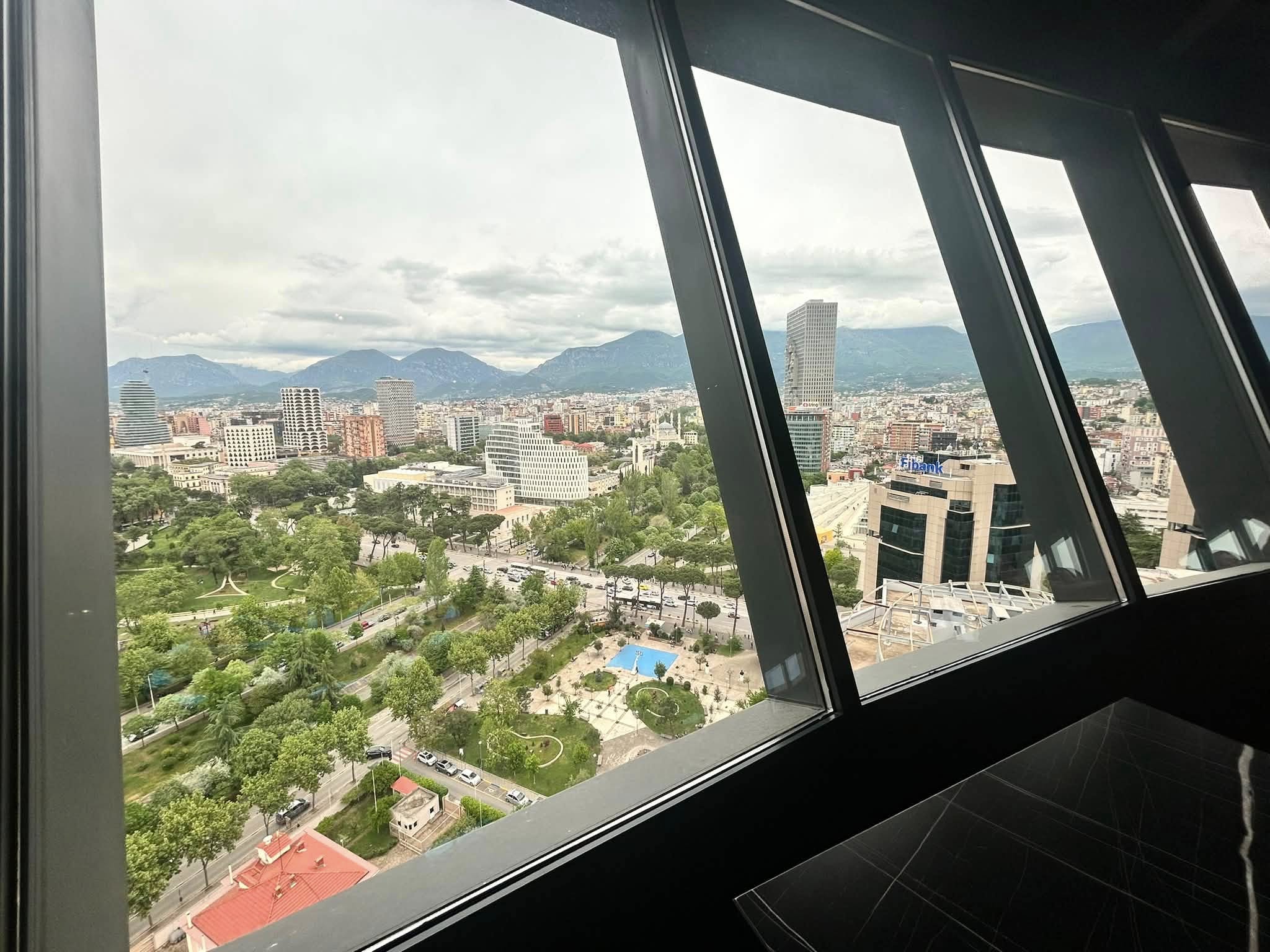
Economically, the country feels polarized—wealthy and poor with a small but growing middle class. The streets are a mix of Mercedes, Audis, and BMWs weaving around scooters, e‑bikes, and even couples sharing a single bicycle. Many taxis are modern and electric, and chargers line the streets. Even Chinese BYD electric cars have made their way here. Architecture in central Tirana leans toward the bold and quirky, with several standout “funky” buildings. Their culture seems to embrace being “dressed up” when in public. Particularly the elderly men and women.
Our apartment sits two bus stops from the city center in an older single‑family neighborhood, with our nine‑story building peering down into various backyards. The narrow, winding streets remind me of Venice—sidewalks appear and disappear at random.
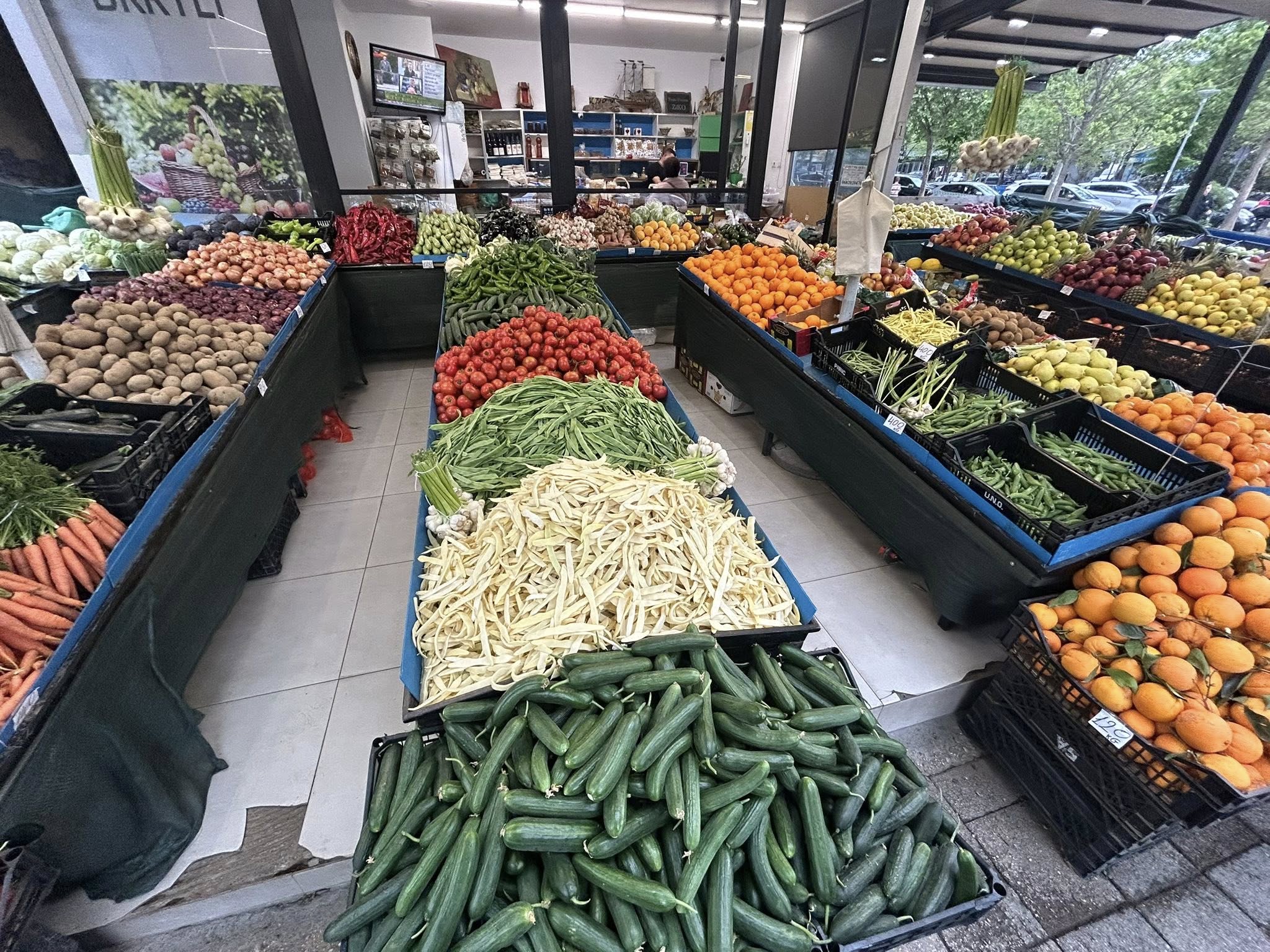
Entrepreneurship is everywhere. Instead of big supermarkets, daily life revolves around small specialty shops: bakeries, produce stands, butchers, fishmongers, cheese shops, and countless corner grocers. One of the more amusing sights is a woman selling vegetables on the sidewalk while unloading her supplies from a modern Mercedes.
Coffee
Coffee shops are everywhere. But it’s the Italian espresso type in small cups, not the North American big cups. Unfortunately a high percentage smoke here, especially when drinking their coffee or meals, so for us non smokers we must stay inside.
Amateur Ham Radio
Amateur Ham Radio seems non-existent here, probably related to the secretive communist past. Although I was able to pickup some radio transmissions from a few Meshtastic 900 Mhz nodes including one from Italy, but had to use Google translate to send texts in Albanian.
Very afordable
Living here is extremely affordable, especially when you buy local products and avoid tourist zones. We chose to stay in a neighborhood apartment to live more like locals, and it truly feels like stepping back into the 1970s—everything seems to cost about a euro. Fresh bread from the bakery downstairs is €0.50. A ham and cheese sub with tomato and cucumber is €0.80. The bus is €0.40. Local beer is €1. Milk is €1. Two chicken breast fillets are €2. The garbage system tries to separate plastics, though both bins inevitably end up collecting everything.
3000 years of historical turmoil
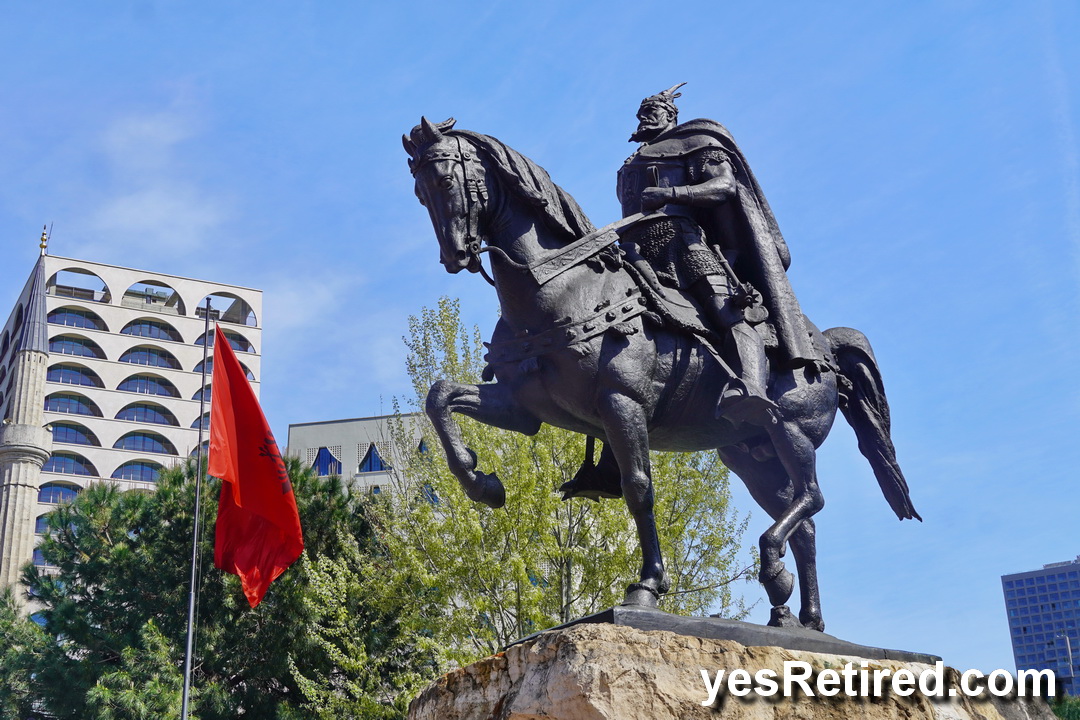
Over the past 3000 years it has had DOZENS of different civilizations and religions controlling it, and rebuilding it. The various existing religions all get along fine there now in the Albanian way. • Illyrians 700BCE, • Macedonians 300BCE • Romans 200BCE • Byzantines • Bulgarian Empire 800CE • Serbian 1200CE• Ottoman 1417-1900, Italy, Germany (ww2), communist era to 1992.
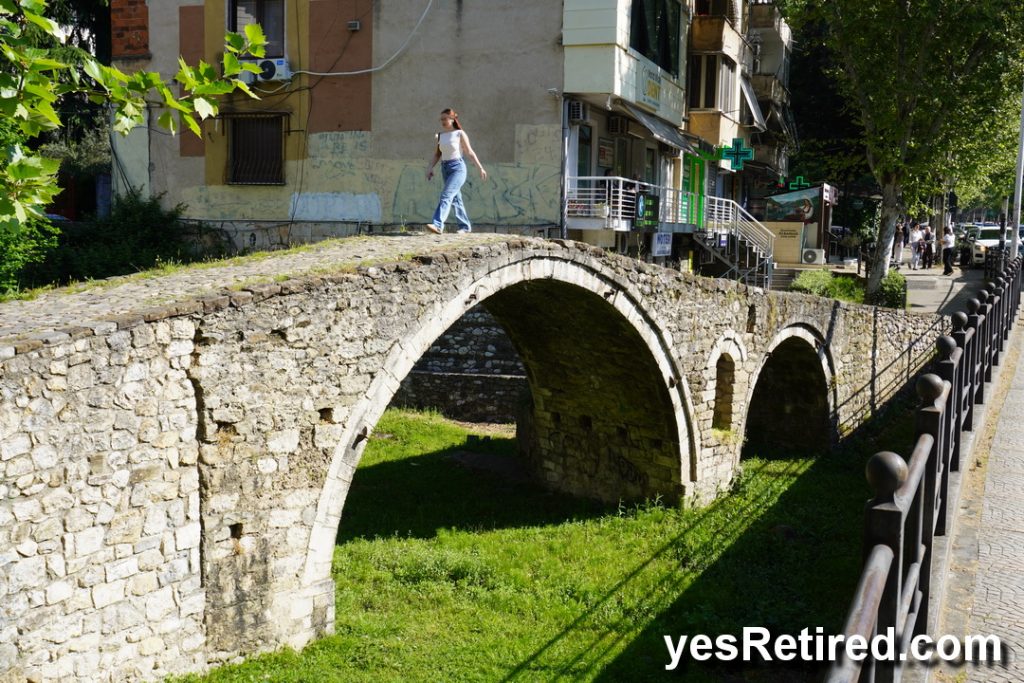
We visited a historically significant UNESCO old town called Berat about 2 hours drive away, in the interior mountains of Albania. Ancient castle overlooking blue river mountain waters. Also known as the City of 1000 windows.
Along the drive passed through industrial areas that included oil Derek’s pumping crude oil out of the ground, and abandoned mercury manufacturing factories.
Photo Gallery
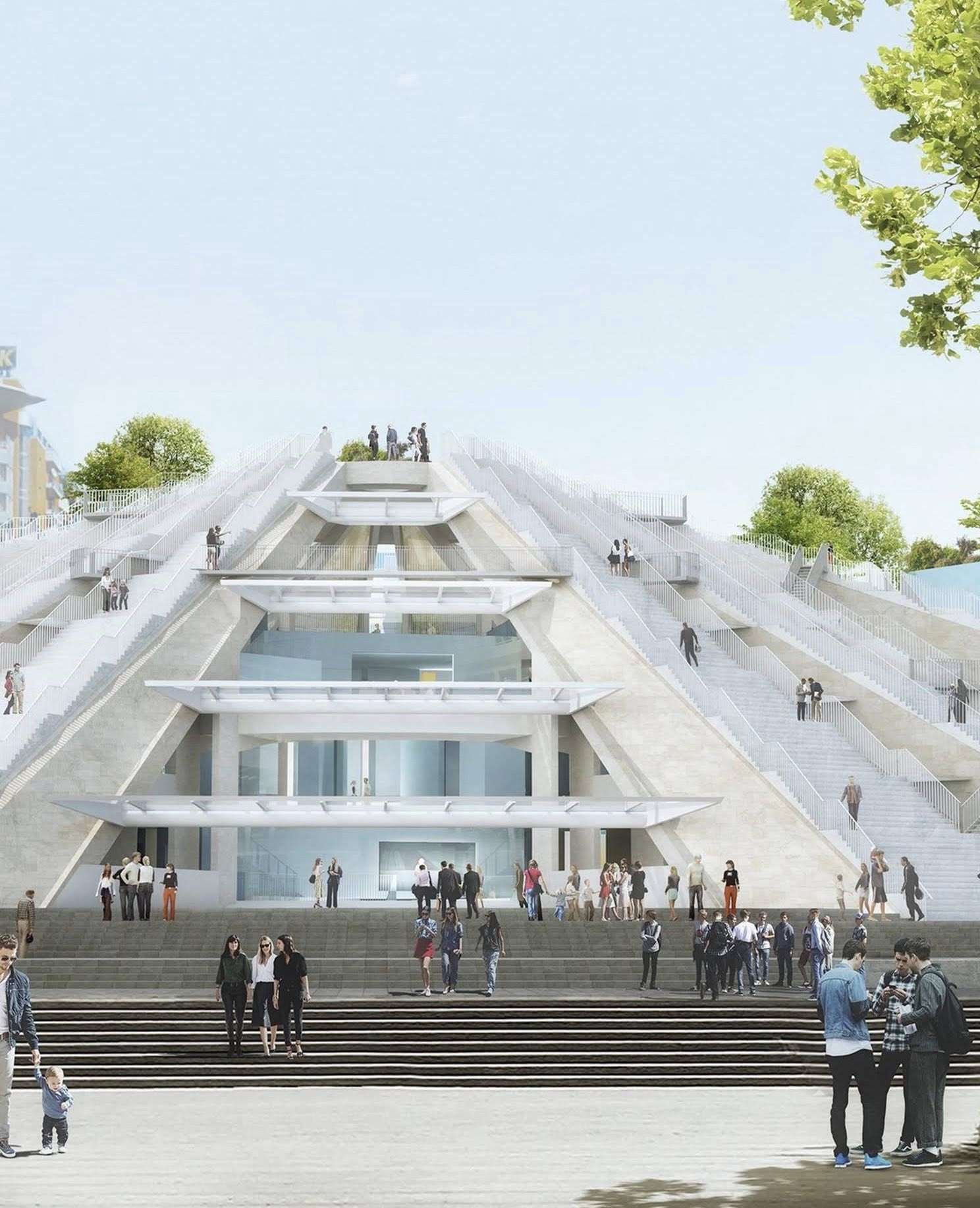
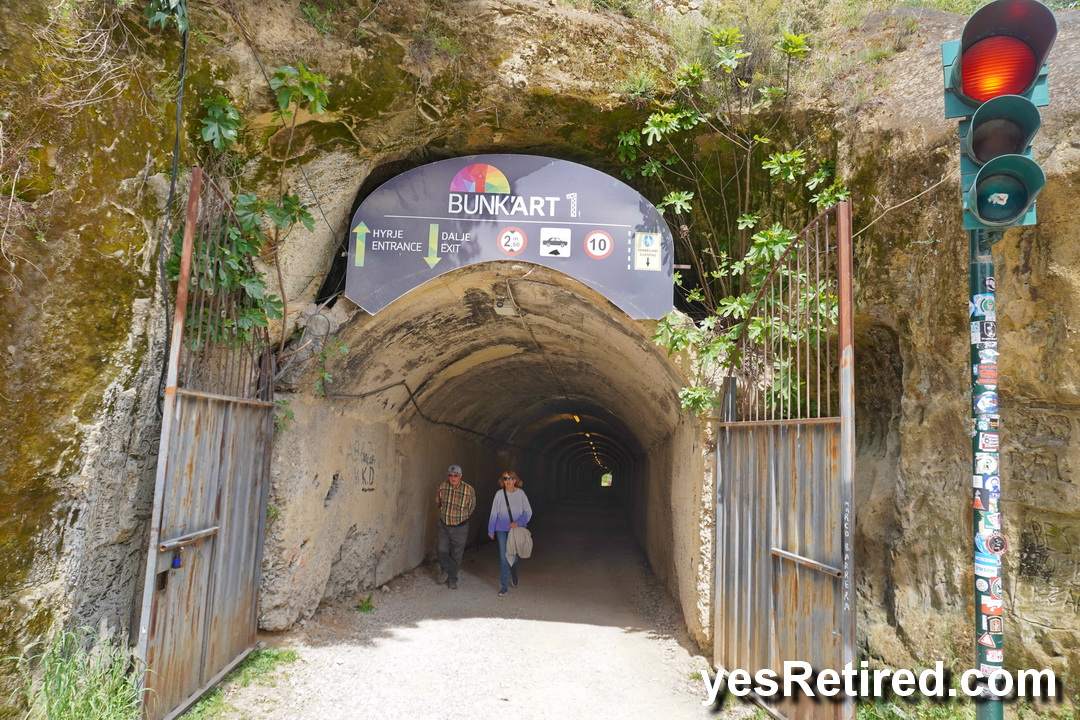
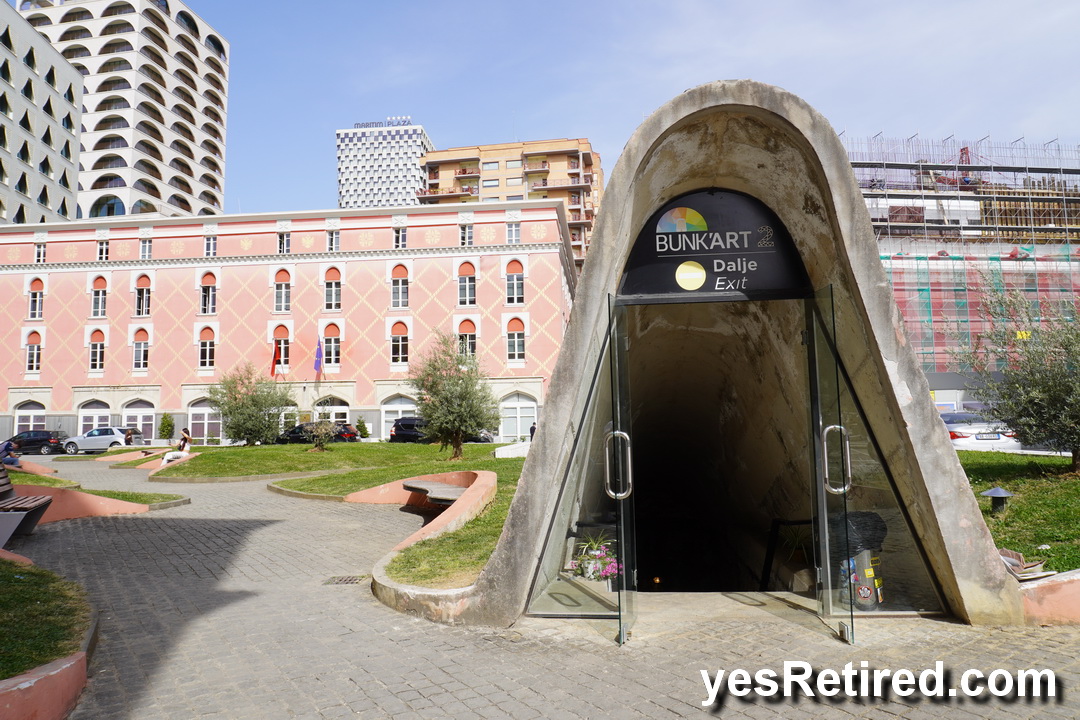
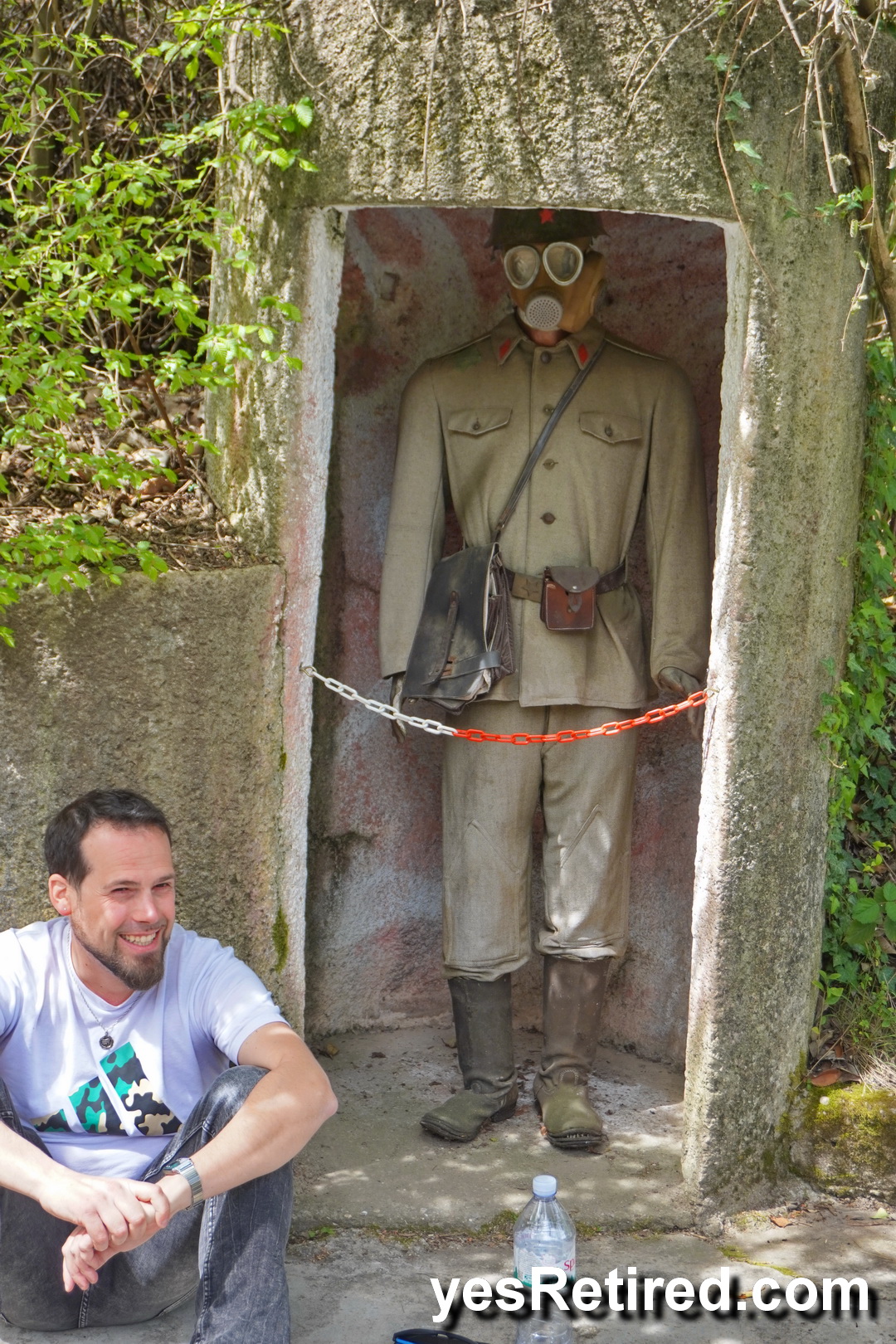
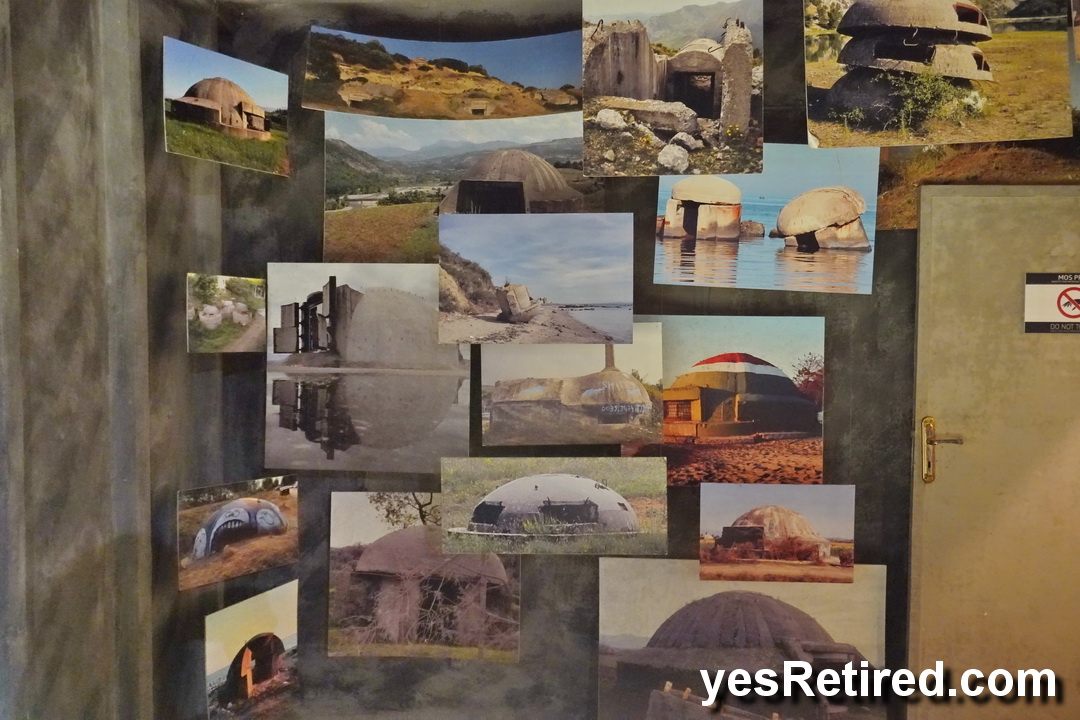
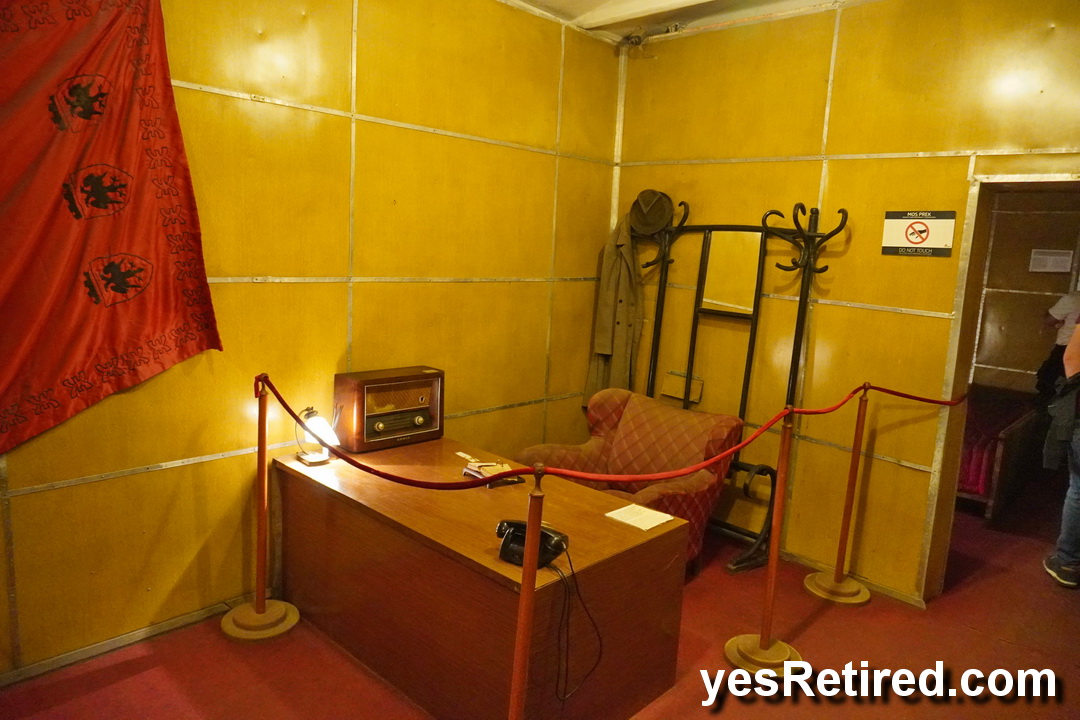
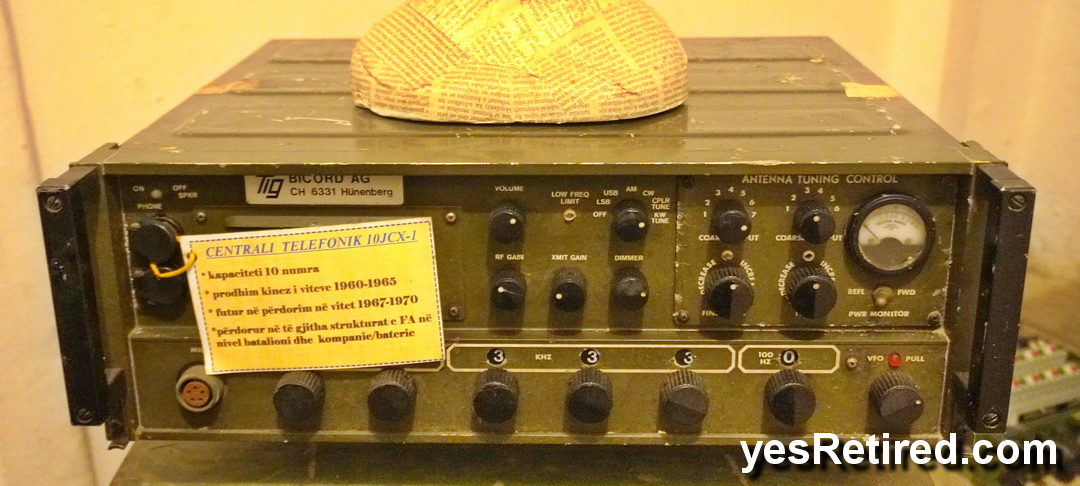
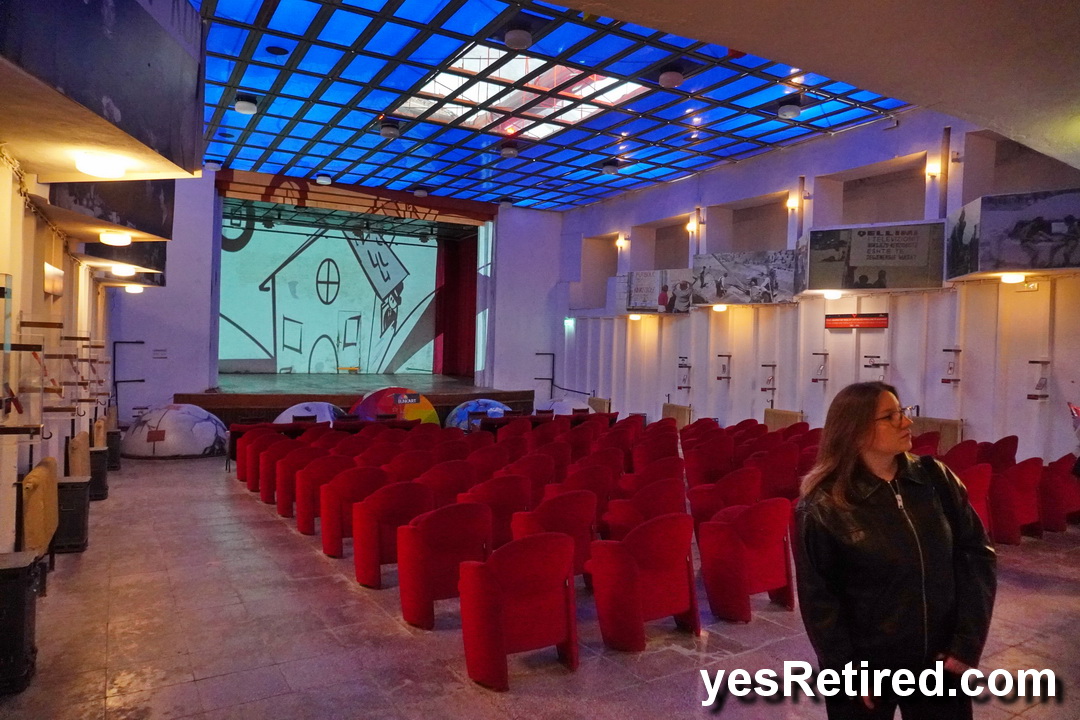
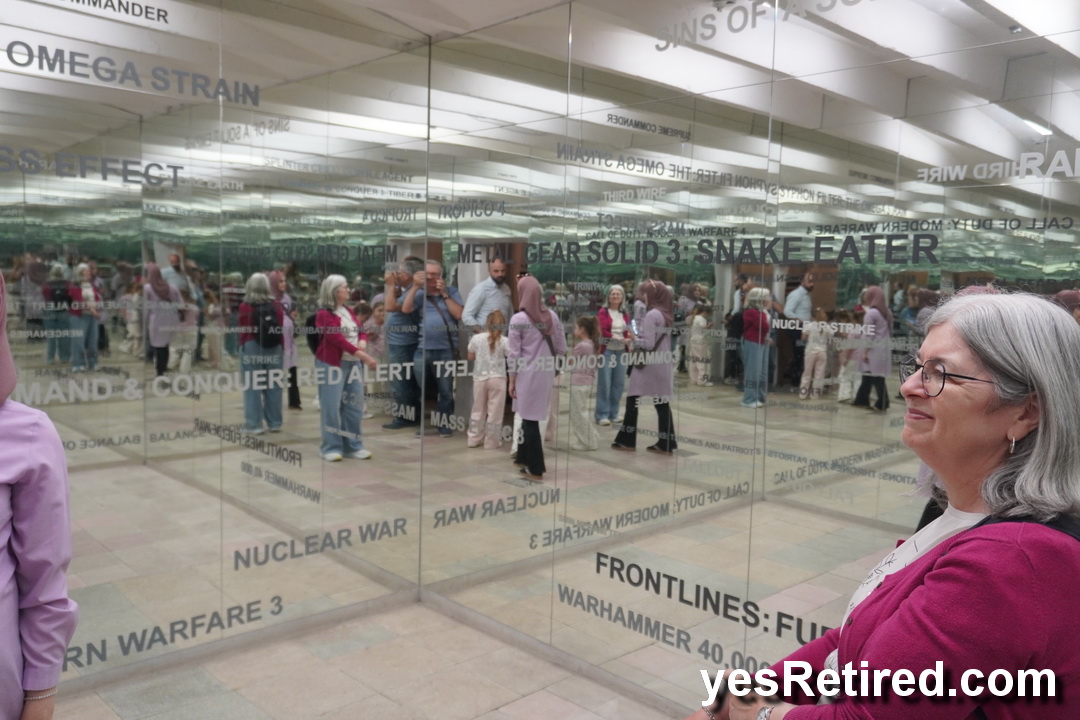
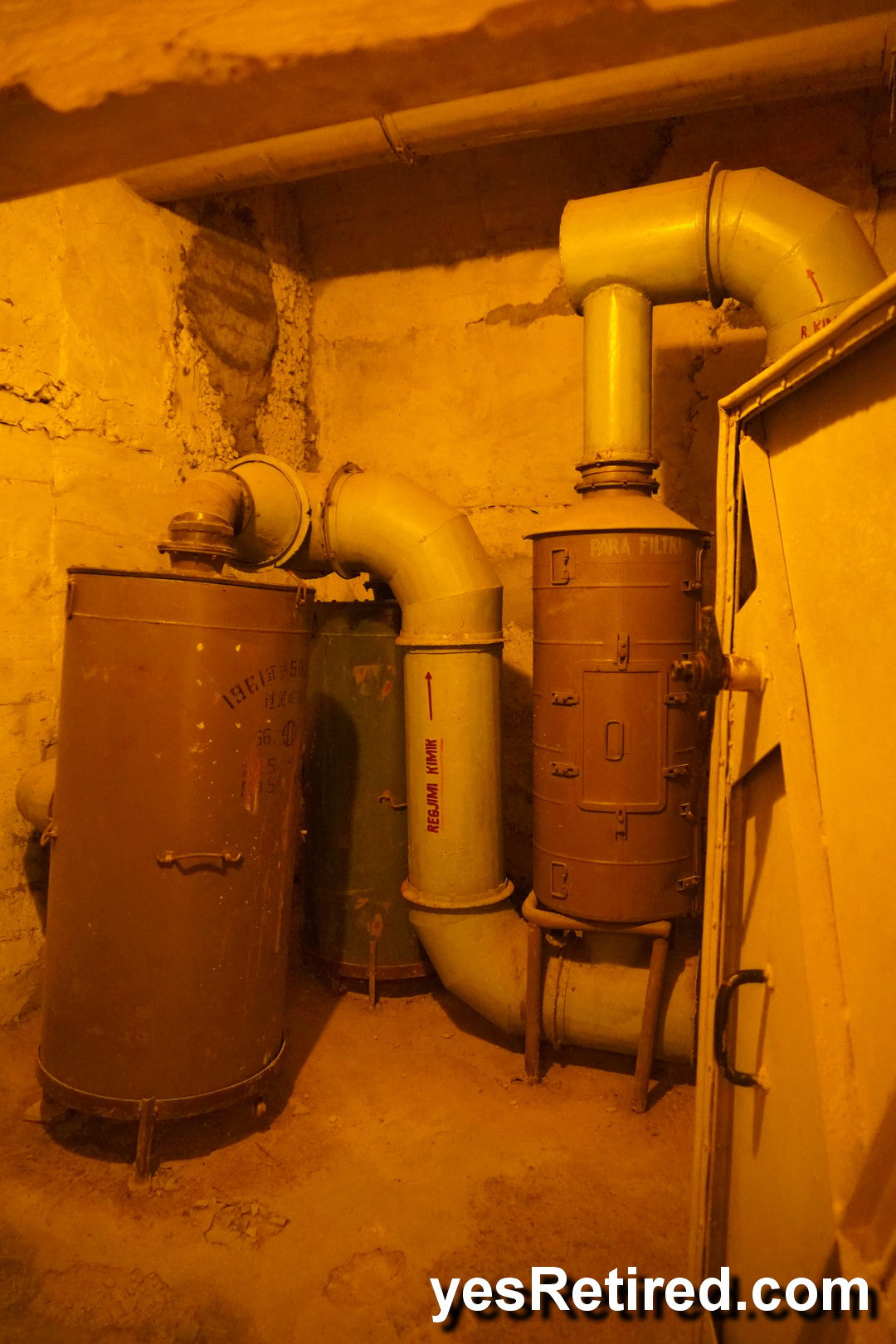
Underground Bunker’s
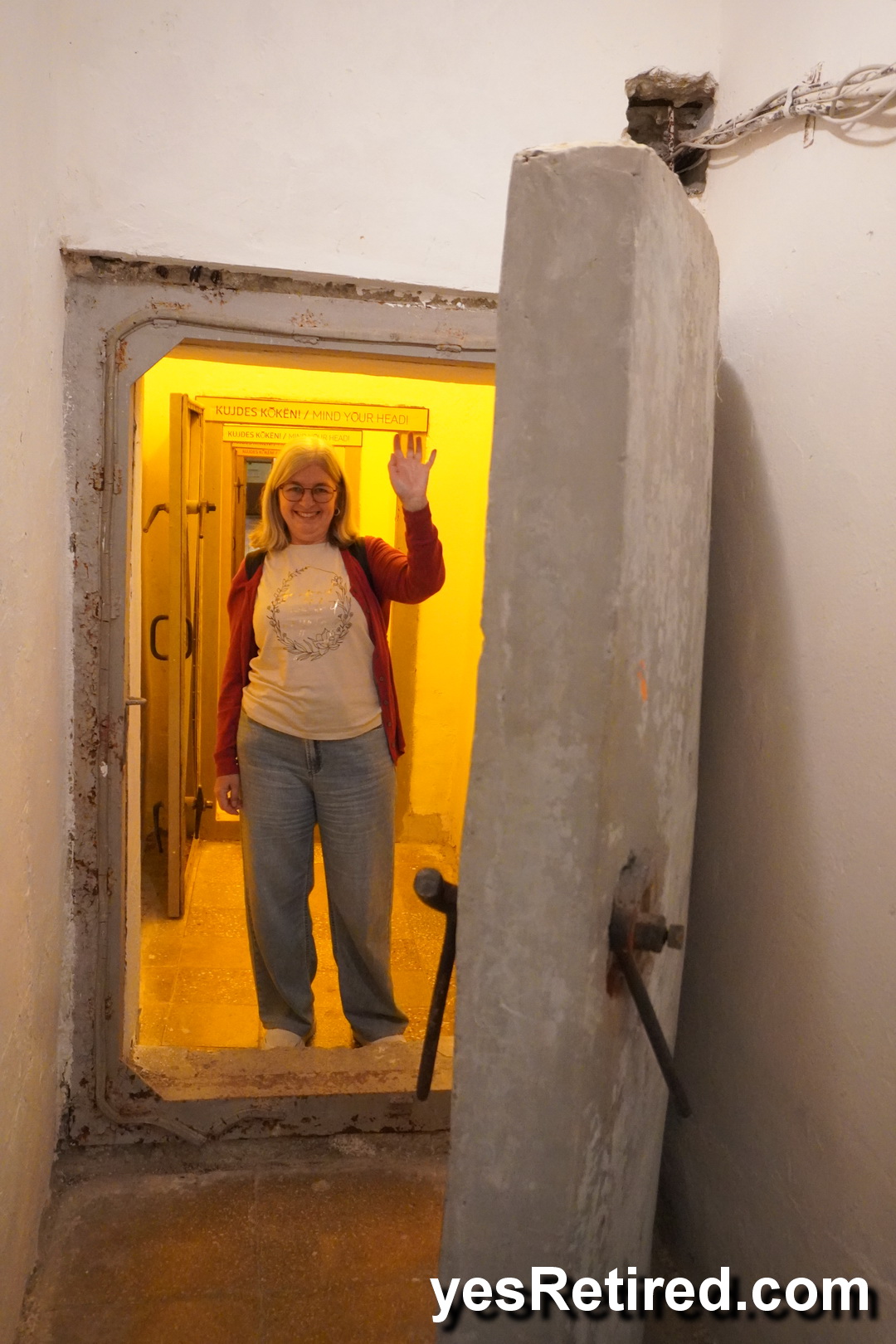
I found these Underground Bunkers quite fascinating history from the 1980’s. There were 500,000 bunkers built throughout the country, most were the simple igloo style.
Conclusion
We will return here again. Low humidity with perfect 22C (72F) daily temperature. Its fun to see it blossoming into a beautiful warm city, with lots of fascinating history. Future plans for a fast new train service to Airport and Durres in 2027.
There are several sandy beach towns along the coast as well as mountain destinations which we would like to explore next time.
My only complaint is the smoking. Maybe they will move to force smokers into the streets like Spain and Mexico did.
See also our related article: Albania – Sea coast beach lifestyle – yesRetired
Please SUBSCRIBE to our NOTIFICATIONS
If you would like to be notified of more articles like this, please LIKE our Facebook page, which will then include us in your Facebook feed. Use this LINK to take you to our page, then click the LIKE button shown below. Or Like our twitter feed.